Simple Habits That Help Keep Feet Healthy

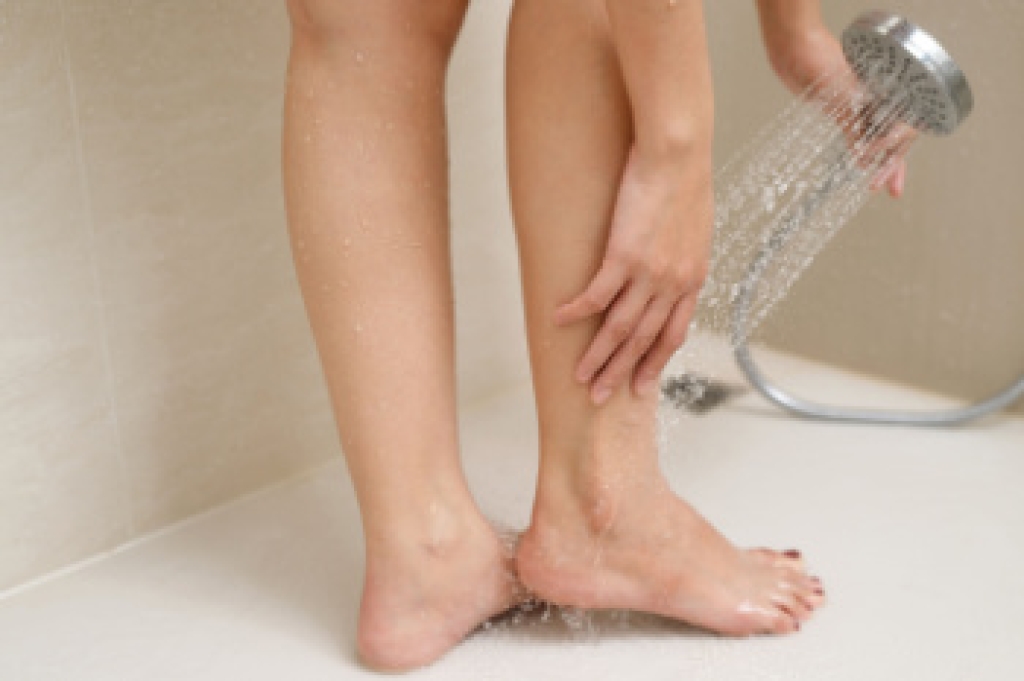
Healthy feet support comfort, mobility, and an active lifestyle. Simple daily habits can go a long way in protecting them. Washing the feet each day and drying carefully between the toes helps prevent skin infections. Moisturizing the tops and bottoms of the feet keeps skin from becoming dry and cracked, although lotion should not be placed between the toes. Toenails should be trimmed straight across to help prevent painful ingrown nails. Wearing well-fitted shoes with good support can reduce pressure and protect the feet from injury. It is also helpful to change socks regularly and choose breathable materials that keep feet dry. Regular movement and gentle stretching can keep muscles and joints working properly. Paying attention to any new pain, swelling, or changes in the skin or nails is important. If you notice persistent foot discomfort or unusual changes, it is suggested that you see a podiatrist for a proper diagnosis and appropriate treatment.

Everyday foot care is very important to prevent infection and other foot ailments. If you need your feet checked, contact Julie Jurd-Sadler, DPM from Progressive Podiatry. Our doctor can provide the care you need to keep you pain-free and on your feet.

Everyday Foot Care

Often, people take care of their bodies, face and hair more so than they do for their feet. But the feet are a very important aspect of our bodies, and one that we should pay more attention to. Without our feet, we would not be able to perform most daily tasks.

It is best to check your feet regularly to make sure there are no new bruises or cuts that you may not have noticed before. For dry feet, moisturizer can easily be a remedy and can be applied as often as necessary to the affected areas. Wearing shoes that fit well can also help you maintain good foot health, as well as making it easier to walk and do daily activities without the stress or pain of ill-fitting shoes, high heels, or even flip flops. Wearing clean socks with closed shoes is important to ensure that sweat and bacteria do not accumulate within the shoe. Clean socks help to prevent Athlete’s foot, fungi problems, bad odors, and can absorb sweat.

If you have any questions, please feel free to contact our offices located in Ijamsville and Mouth Airy, MD . We offer the newest diagnostic and treatment technologies for all your foot care needs.

Read more about Every Day Foot Care

Gout and the Health Conditions That Often Accompany It

Gout is a painful inflammatory joint condition caused by a buildup of uric acid crystals in the joints. The big toe is commonly affected, but gout can also involve the foot, ankle, and other joints. While the sudden joint pain often receives the most attention, gout is frequently linked with other health concerns that can affect overall well-being. These related conditions are known as comorbidities. People with gout may also have high blood pressure, kidney disease, diabetes, or obesity. Over time, untreated gout can lead to additional complications such as joint damage, chronic inflammation, and firm deposits of uric acid crystals called tophi that form under the skin. Repeated flare-ups may also limit mobility and daily activity. Managing gout early helps reduce the risk of long-term joint damage and other health complications. When recurring foot or ankle pain suggests gout, evaluation by a podiatrist is suggested for a diagnosis and appropriate treatment.

Gout is a painful condition that can be treated. If you are seeking treatment, contact Julie Jurd-Sadler, DPM from Progressive Podiatry. Our doctor will treat your foot and ankle needs.

What Is Gout?

Gout is a form of arthritis that is characterized by sudden, severe attacks of pain, redness, and tenderness in the joints. The condition usually affects the joint at the base of the big toe. A gout attack can occur at any random time, such as the middle of the night while you are asleep.

Symptoms

  • Intense Joint Pain - Usually around the large joint of your big toe, and it most severe within the first four to twelve hours
  • Lingering Discomfort - Joint discomfort may last from a few days to a few weeks
  • Inflammation and Redness -Affected joints may become swollen, tender, warm and red
  • Limited Range of Motion - May experience a decrease in joint mobility

Risk Factors

  • Genetics - If family members have gout, you’re more likely to have it
  • Medications - Diuretic medications can raise uric acid levels
  • Gender/Age - Gout is more common in men until the age of 60. It is believed that estrogen protects women until that point
  • Diet - Eating red meat and shellfish increases your risk
  • Alcohol - Having more than two alcoholic drinks per day increases your risk
  • Obesity - Obese people are at a higher risk for gout

Prior to visiting your podiatrist to receive treatment for gout, there are a few things you should do beforehand. If you have gout you should write down your symptoms--including when they started and how often you experience them, important medical information you may have, and any questions you may have. Writing down these three things will help your podiatrist in assessing your specific situation so that he or she may provide the best route of treatment for you.

If you have any questions, please feel free to contact our offices located in Ijamsville and Mouth Airy, MD . We offer the newest diagnostic and treatment technologies for all your foot care needs.

Read more about Everything You Need to Know About Gout

When Your Child Needs a Foot or Ankle Brace

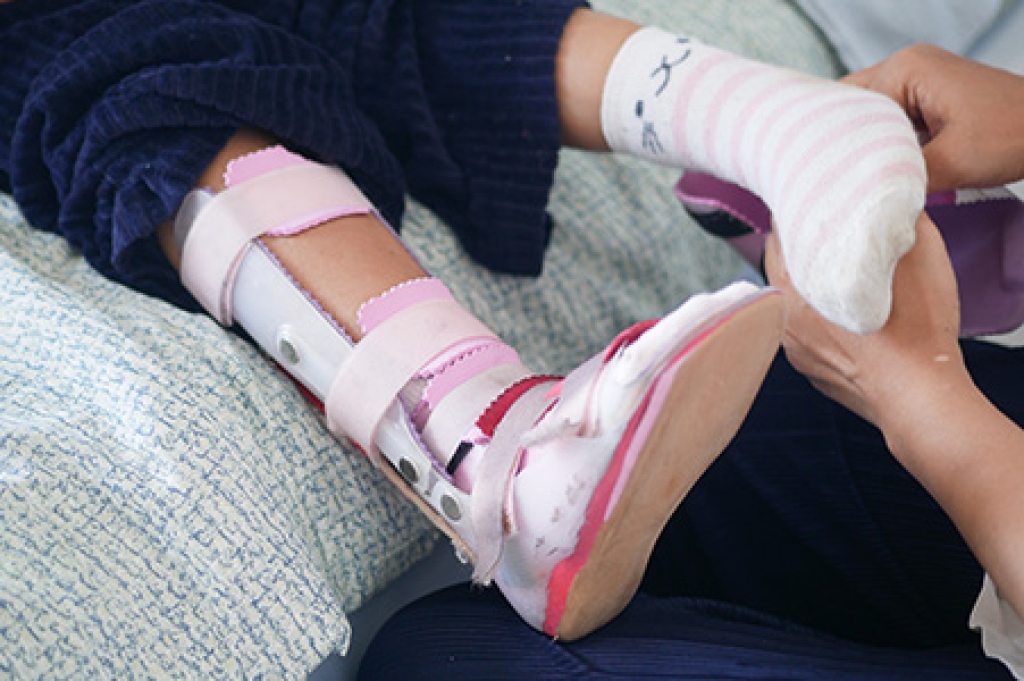
Braces are sometimes needed when a child has a foot or ankle condition that affects balance, walking, or the position of the toes. A brace can help guide the foot into a better alignment and support the ankle as the child grows. Some children who have flat feet, tight muscles, clubfoot, or ankle instability benefit from braces that connect to the shoe and keep the foot straight. Wearing a brace can feel unusual at first, and children need time to adapt, especially if they are used to softer shoes or flip-flops. A podiatrist can examine the feet, check for rubbing around the toes, and prescribe the appropriate brace so it fits correctly. A podiatrist can also monitor progress and decide how long the brace should be worn. If your child is suffering from a foot or ankle abnormality, it is suggested that you schedule an appointment with a podiatrist for a diagnosis and appropriate treatment.

Making sure that your children maintain good foot health is very important as they grow. If you have any questions, contact Julie Jurd-Sadler, DPM of Progressive Podiatry. Our doctor can provide the care you need to keep you pain-free and on your feet.

Keeping Children's Feet Healthy

Having healthy feet during childhood can help prevent medical problems later in life, namely in the back and legs. As children grow, their feet require different types of care. Here are some things to consider...

Although babies do not walk yet, it is still very important to take care of their feet.

Avoid putting tight shoes or socks on his or her feet.

Allow the baby to stretch and kick his or her feet to feel comfortable.

As a toddler, kids are now on the move and begin to develop differently. At this age, toddlers are getting a feel for walking, so don’t be alarmed if your toddler is unsteady or ‘walks funny’. 

As your child gets older, it is important to teach them how to take care of their feet.

Show them proper hygiene to prevent infections such as fungus.

Be watchful for any pain or injury.

Have all injuries checked by a doctor as soon as possible.

Comfortable, protective shoes should always be worn, especially at play.

If you have any questions, please feel free to contact our offices located in Ijamsville and Mouth Airy, MD . We offer the newest diagnostic and treatment technologies for all your foot care needs.

Read more about What to Do to Keep Your Child’s Feet Healthy

Athlete's Foot and Why It Happens

Athlete's foot is a common fungal infection that affects the skin between the toes and sometimes spreads to the soles of the feet. It often presents as an itchy, scaly, red rash that can cause discomfort and cracking of the skin. This condition develops when fungi thrive in warm, damp environments such as the inside of shoes or boots, wet clothing, locker room floors, or public bathrooms. Risk factors include excessive sweating, wearing tight or non-breathable footwear, and shared communal spaces. A podiatrist can diagnose the infection, recommend antifungal treatments, and provide guidance on footwear and hygiene to prevent recurrence. If you have symptoms of athlete’s foot, it is suggested that you promptly consult a podiatrist who can begin early treatment, which can include prescribed medication.

Athlete’s foot is an inconvenient condition that can be easily reduced with the proper treatment. If you have any concerns about your feet and ankles, contact Julie Jurd-Sadler, DPM from Progressive Podiatry.  Our doctor will treat your foot and ankle needs.

Athlete’s Foot: The Sole Story

Athlete's foot, also known as tinea pedis, can be an extremely contagious foot infection. It is commonly contracted in public changing areas and bathrooms, dormitory style living quarters, around locker rooms and public swimming pools, or anywhere your feet often come into contact with other people.

Solutions to Combat Athlete’s Foot

  • Hydrate your feet by using lotion
  • Exfoliate
  • Buff off nails
  • Use of anti-fungal products
  • Examine your feet and visit your doctor if any suspicious blisters or cuts develop

Athlete’s foot can cause many irritating symptoms such as dry and flaking skin, itching, and redness. Some more severe symptoms can include bleeding and cracked skin, intense itching and burning, and even pain when walking. In the worst cases, Athlete’s foot can cause blistering as well. Speak to your podiatrist for a better understanding of the different causes of Athlete’s foot, as well as help in determining which treatment options are best for you.

If you have any questions please feel free to contact our offices located in Ijamsville and Mouth Airy, MD . We offer the newest diagnostic and treatment technologies for all your foot and ankle needs.

Read more about How to Deal with Athlete's Foot

Diabetic Foot Care and How to Protect Your Feet

Diabetic foot care involves daily practices to maintain healthy feet and prevent complications associated with diabetes, including infections, ulcers, and nerve damage. It is important because reduced sensation and poor circulation can make even minor injuries serious. Good daily foot care includes washing and thoroughly drying the feet, inspecting for cuts or sores, and trimming toenails carefully to avoid injury. Choosing the right footwear helps reduce pressure points and prevent blisters, while regular exercise stimulates blood flow to the feet and supports healing. A podiatrist can provide professional evaluations, recommend custom footwear or orthotics, and treat existing problems. If you have diabetes, it is strongly suggested that you are under the care of a podiatrist who can help you to manage this serious condition.

Diabetic foot care is important in preventing foot ailments such as ulcers. If you are suffering from diabetes or have any other concerns about your feet, contact Julie Jurd-Sadler, DPM from Progressive Podiatry. Our doctor can provide the care you need to keep you pain-free and on your feet.

Diabetic Foot Care

Diabetes affects millions of people every year. The condition can damage blood vessels in many parts of the body, especially the feet. Because of this, taking care of your feet is essential if you have diabetes, and having a podiatrist help monitor your foot health is highly recommended.

The Importance of Caring for Your Feet

  • Routinely inspect your feet for bruises or sores.
  • Wear socks that fit your feet comfortably.
  • Wear comfortable shoes that provide adequate support.

Patients with diabetes should have their doctor monitor their blood levels, as blood sugar levels play such a huge role in diabetic care. Monitoring these levels on a regular basis is highly advised.

It is always best to inform your healthcare professional of any concerns you may have regarding your feet, especially for diabetic patients. Early treatment and routine foot examinations are keys to maintaining proper health, especially because severe complications can arise if proper treatment is not applied.

If you have any questions, please feel free to contact our offices located in Ijamsville and Mouth Airy, MD . We offer the newest diagnostic and treatment technologies for all your foot care needs.

Read more about Diabetic Foot Care

Connect With Us