
If left untreated, an ingrown toenail can lead to more serious concerns, such as an infection. Knowing proper nail care can help in the prevention of an ingrown toenail. Give us a call, and get treated!
If left untreated, an ingrown toenail can lead to more serious concerns, such as an infection. Knowing proper nail care can help in the prevention of an ingrown toenail. Give us a call, and get treated!

Pronation and supination describe the direction the foot rolls while walking or running. Pronation occurs when the foot rolls inward and weight shifts toward the inside of the foot. Supination occurs when the foot rolls outward and weight shifts toward the outside. A small amount of each motion is part of a normal step. Pronation helps the foot absorb shock after the heel reaches the ground. Supination makes the foot firmer as it pushes the body forward. When either motion becomes excessive, pressure can build in certain areas and affect the way a person moves.
These movement patterns can affect more than the feet. Overpronation can place added strain on the arches, heels, and ankles. It can also contribute to discomfort in the knees. Excess supination reduces the foot’s ability to absorb shock and can increase pressure on the outer edge. This can lead to ankle instability, heel pain, or pain in the ball of the foot. Uneven wear on the inner or outer edges of shoe soles can provide a clue. High arches, flat feet, and differences in leg length can influence foot movement. Injuries and repeated stress can also change a person’s gait.
A podiatrist can examine the feet and study how a patient stands and walks. This gait evaluation shows where pressure builds and whether the ankles or knees move out of alignment. The podiatrist can also check joint motion, muscle strength, and shoe-wear patterns. Imaging tests can identify an injury when the examination raises concern. Treatment focuses on improving balance and reducing harmful pressure. A podiatrist can recommend properly fitted shoes with suitable cushioning or stability. Custom orthotics can guide the feet into a better position and distribute weight more evenly. Follow-up visits allow the podiatrist to track changes and adjust treatment. If you have foot or ankle pain while walking or running, it is suggested that you schedule an appointment with a podiatrist for a diagnosis and appropriate treatment.
If you have any concerns about your feet, contact Julie Jurd-Sadler, DPM from Progressive Podiatry. Our doctor can provide the care you need to keep you pain-free and on your feet.
Biomechanics in Podiatry
Podiatric biomechanics is a particular sector of specialty podiatry with licensed practitioners who are trained to diagnose and treat conditions affecting the foot, ankle and lower leg. Biomechanics deals with the forces that act against the body, causing an interference with the biological structures. It focuses on the movement of the ankle, the foot and the forces that interact with them.
A History of Biomechanics
Modern technological improvements are based on past theories and therapeutic processes that provide a better understanding of podiatric concepts for biomechanics. Computers can provide accurate information about the forces and patterns of the feet and lower legs.
Understanding biomechanics of the feet can help improve and eliminate pain, stopping further stress to the foot.
If you have any questions please feel free to contact our offices located in Ijamsville and Mouth Airy, MD . We offer the newest diagnostic and treatment technologies for all your foot and ankle needs.
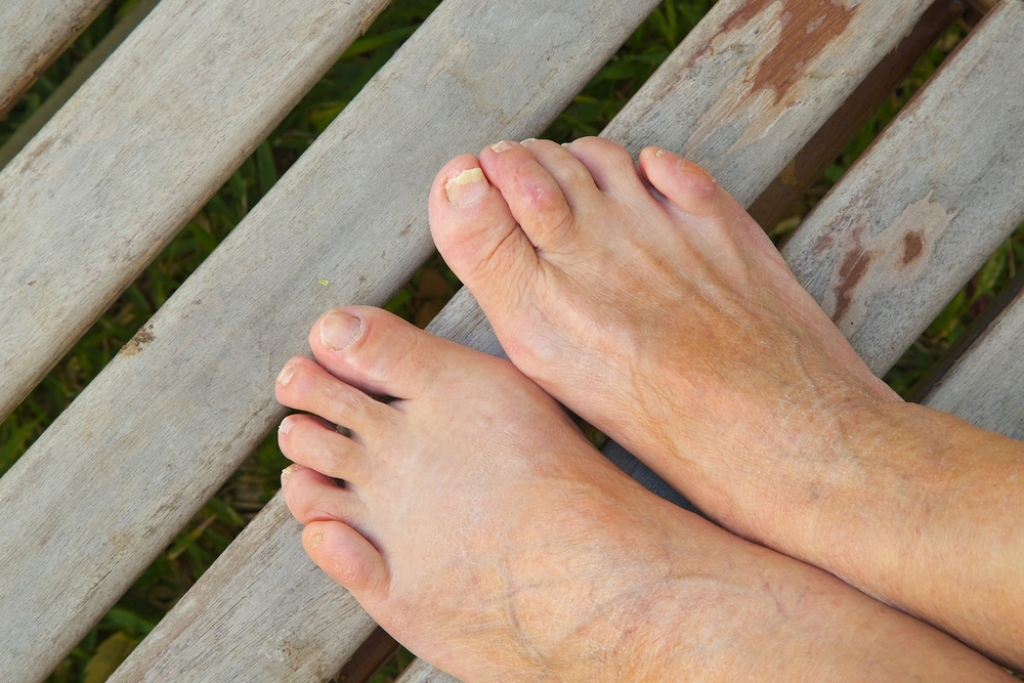
Hammertoe is a deformity that causes one or more of the smaller toes to bend downward at the middle joint instead of lying flat. At first, the toe may still be flexible, but it can become stiff if left untreated. This change in toe position places extra pressure on the top of the toe and the ball of the foot. Symptoms include pain, swelling, corns, calluses, and difficulty wearing shoes comfortably. The condition can develop because of muscle imbalance, arthritis, injury, or wearing shoes that squeeze the toes into a cramped position. Early evaluation is important because hammertoe becomes more difficult to correct as the joint becomes less flexible.
A podiatrist carefully evaluates toe alignment, foot structure, walking pattern, and joint movement to determine what is contributing to the deformity. The examination also identifies areas of excessive pressure that can lead to painful skin changes. Treatment includes custom orthotics when appropriate, footwear recommendations, and protective padding to reduce irritation. A podiatrist can also recommend exercises that improve flexibility and strengthen the muscles supporting the toes. Wearing shoes that provide proper support and enough room for the toes can reduce unnecessary pressure during daily activities. Regular follow-up visits help monitor changes and determine whether additional treatment is needed.
Ignoring hammertoe can allow the toe to become permanently stiff and increase discomfort while walking. Ongoing pressure can also lead to painful corns, calluses, and sores that make everyday activities more difficult. In advanced cases, surgery may be necessary when the toe can no longer be straightened or pain continues despite treatment. Early podiatry care helps improve foot function, reduce pressure on the affected toe, and slow the progression of the deformity. If you have symptoms of hammertoe, it is suggested that you schedule an appointment with a podiatrist for diagnosis and treatment.
Hammertoe
Hammertoes can be a painful condition to live with. For more information, contact Julie Jurd-Sadler, DPM from Progressive Podiatry. Our doctor will answer any of your foot- and ankle-related questions.
Hammertoe is a foot deformity that affects the joints of the second, third, fourth, or fifth toes of your feet. It is a painful foot condition in which these toes curl and arch up, which can often lead to pain when wearing footwear.
Symptoms
Causes
Genetics – People who are genetically predisposed to hammertoe are often more susceptible
Arthritis – Because arthritis affects the joints in your toes, further deformities stemming from arthritis can occur
Trauma – Direct trauma to the toes could potentially lead to hammertoe
Ill-fitting shoes – Undue pressure on the front of the toes from ill-fitting shoes can potentially lead to the development of hammertoe
Treatment
Orthotics – Custom made inserts can be used to help relieve pressure placed on the toes and therefore relieve some of the pain associated with it
Medications – Oral medications such as anti-inflammatories or NSAIDs could be used to treat the pain and inflammation hammertoes causes. Injections of corticosteroids are also sometimes used
Surgery – In more severe cases where the hammertoes have become more rigid, foot surgery is a potential option
If you have any questions, please feel free to contact our offices located in Ijamsville and Mouth Airy, MD . We offer the newest diagnostic and treatment technologies for all your foot care needs.
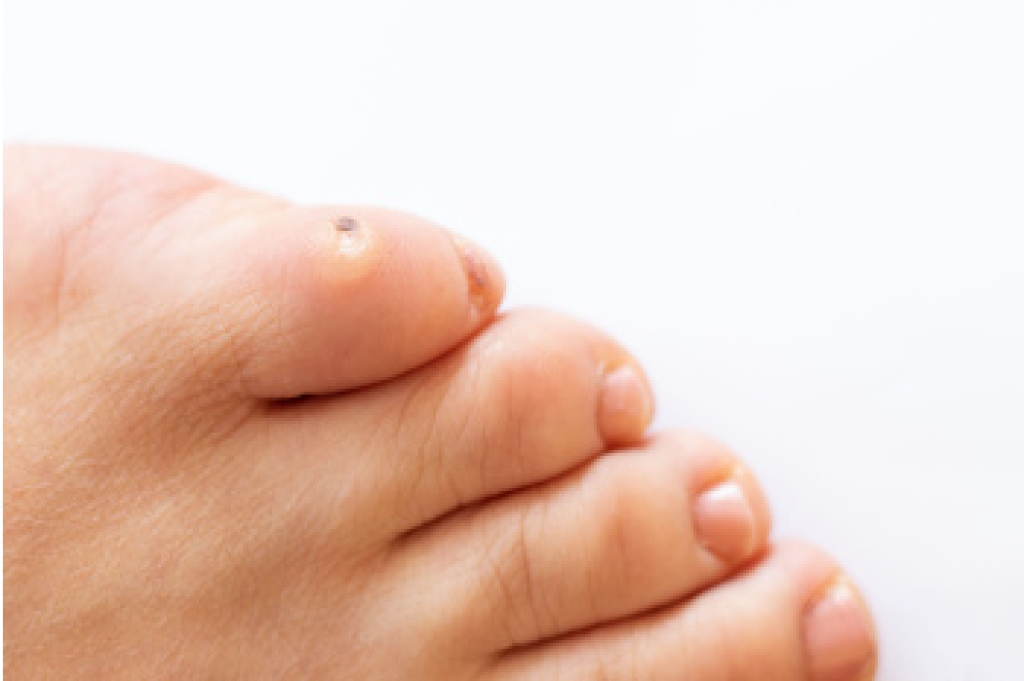
Corns are areas of thickened skin that develop when the foot experiences repeated pressure or friction. They commonly appear on areas that receive extra stress, like the tops or sides of toes and other parts of the foot. The skin becomes thicker as the body tries to protect the area from irritation. Corns can cause discomfort while walking, wearing shoes, or completing daily activities. Symptoms include a hard area of skin, tenderness, pain, and sensitivity when pressure is placed on the affected area. Some patients develop corns because of changes in foot structure, toe alignment, or shoes that create excess pressure. A podiatrist can examine the foot to determine the cause and recommend appropriate treatment.
This foot doctor evaluates corns by examining the affected skin, reviewing symptoms, and assessing how the foot moves. The evaluation includes checking toe alignment, foot structure, walking patterns, and footwear choices. Understanding these factors helps identify why pressure is developing in certain areas of the foot. A podiatrist creates a treatment plan focused on reducing discomfort and improving foot function. Treatment includes professional care to remove thickened skin safely, address contributing factors, and support healthier movement. A podiatrist also evaluates footwear because shoes that lack proper support or fit poorly can increase pressure and friction on the toes.
Research shows that corns can affect comfort and mobility, making proper evaluation important for patients experiencing ongoing foot concerns. A podiatrist helps identify the cause of corns and develops a plan based on each patient’s foot structure and symptoms. Professional treatment can improve comfort and support better movement during daily activities. Addressing the factors that contribute to corn formation can help maintain healthier skin and improve overall foot health. Treatment plans are personalized according to examination findings and each patient’s needs. If you have developed corns, it is suggested that you schedule an appointment with a podiatrist for effective relief and treatment tips.
If you have any concerns regarding your feet and ankles, contact Julie Jurd-Sadler, DPM of Progressive Podiatry. Our doctor will treat your foot and ankle needs.
Corns: What Are They? and How Do You Get Rid of Them?
Corns can be described as areas of the skin that have thickened to the point of becoming painful or irritating. They are often layers and layers of the skin that have become dry and rough, and are normally smaller than calluses.
Ways to Prevent Corns
There are many ways to get rid of painful corns such as wearing:
Treating Corns
Treatment of corns involves removing the dead skin that has built up in the specific area of the foot. Consult with Our doctor to determine the best treatment option for your case of corns.
If you have any questions, please feel free to contact our offices located in Ijamsville and Mouth Airy, MD . We offer the newest diagnostic and treatment technologies for all your foot care needs.
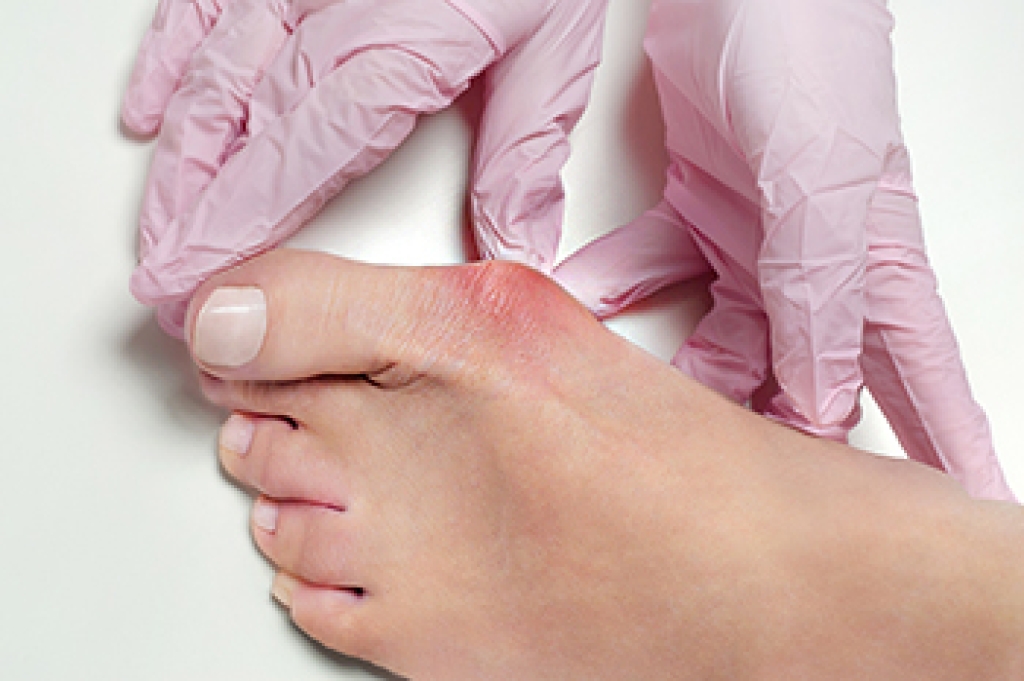
A bunion is a structural deformity of the foot that develops at the base of the big toe joint. It occurs when the joint shifts out of alignment, as the big toe leans toward the smaller toes. This change creates a visible bump on the side of the foot that can become painful over time. Bunions often develop gradually and may worsen without proper care. Common causes include genetic foot structure, wearing improper footwear, and repetitive pressure on the forefoot.
Early symptoms of a bunion include mild swelling, redness, and tenderness surrounding the joint. Many individuals notice a burning sensation or numbness in the affected area, especially after long periods of standing or walking. As the condition progresses, the joint may become stiff, and the shape of the foot can begin to change. Shoes may feel tighter, and irritation from friction can lead to additional discomfort. Recognizing these early signs is important for preventing further progression.
Risk factors for bunions include inherited foot mechanics, flat feet, and abnormal gait patterns. Wearing narrow or tight-fitting shoes that crowd the toes can increase pressure on the joint and accelerate deformity. Occupations or activities that place repeated stress on the forefoot may also contribute. Over time, these factors can lead to joint instability and worsening alignment of the big toe.
Managing bunions in the early stages focuses on reducing pressure and improving foot support. Wearing properly fitted shoes with a wide toe box can help minimize irritation. Orthotic support may improve alignment and reduce strain on the joint. Early intervention can slow progression and improve comfort. If you are noticing early stages of a bunion, it is suggested that you consult a podiatrist for effective relief and management tips.
If you are suffering from bunion pain, contact Julie Jurd-Sadler, DPM of Progressive Podiatry. Our doctor can provide the care you need to keep you pain-free and on your feet.
What Is a Bunion?
Bunions are painful bony bumps that usually develop on the inside of the foot at the joint of the big toe. As the deformity increases over time, it may become painful to walk and wear shoes. Women are more likely to exacerbate existing bunions since they often wear tight, narrow shoes that shift their toes together. Bunion pain can be relieved by wearing wider shoes with enough room for the toes.
Causes
Symptoms
In order to diagnose your bunion, your podiatrist may ask about your medical history, symptoms, and general health. Your doctor might also order an x-ray to take a closer look at your feet. Nonsurgical treatment options include orthotics, padding, icing, changes in footwear, and medication. If nonsurgical treatments don’t alleviate your bunion pain, surgery may be necessary.
If you have any questions, please feel free to contact our offices located in Ijamsville and Mouth Airy, MD . We offer the newest diagnostic and treatment technologies for all your foot care needs.
Connect With Us
