
Plantar warts are small growths that develop on parts of the feet that bear weight. They're typically found on the bottom of the foot. Don't live with plantar warts, and call us today!
Plantar warts are small growths that develop on parts of the feet that bear weight. They're typically found on the bottom of the foot. Don't live with plantar warts, and call us today!
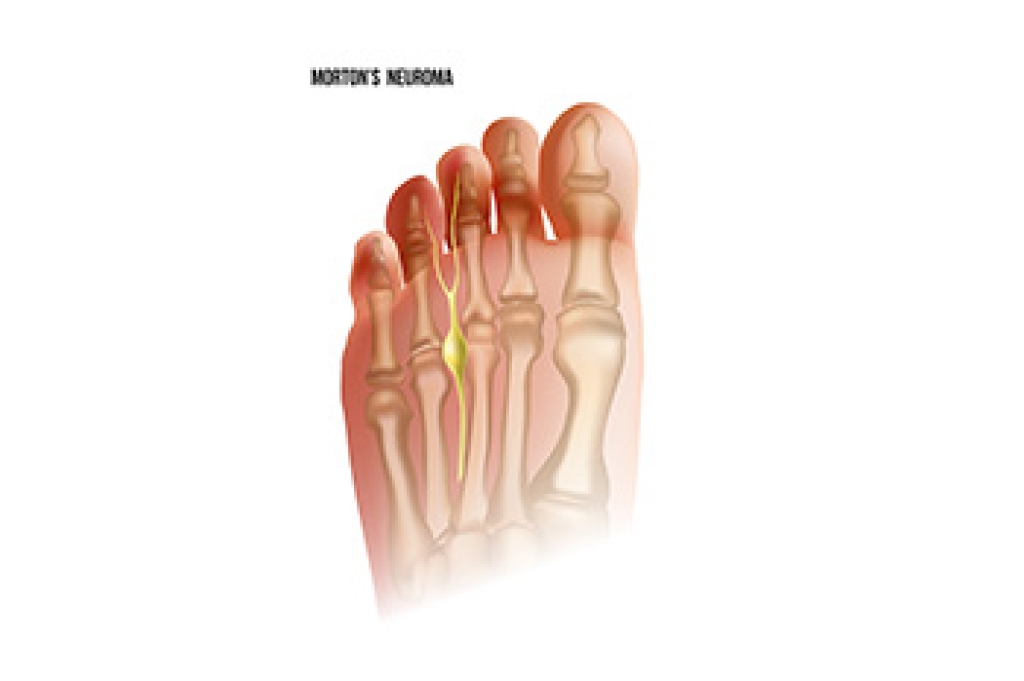
Morton’s neuroma develops when tissue surrounding a nerve in the ball of the foot becomes thickened and irritated. Pain is most commonly felt between the third and fourth toes. This irritation can cause burning pain, tingling, numbness, or the feeling that there is a pebble inside the shoe. Some patients notice sharp shooting pain that worsens while walking, standing for long periods of time, or wearing tight or narrow footwear. The front of the foot may feel swollen or sensitive, even when there is little visible change. Repeated pressure on the nerve from high heels, certain sports, or abnormal foot structure can contribute to the problem. A podiatrist can evaluate the symptoms, examine the foot, and determine whether the nerve is compressed or inflamed. Treatment may include footwear changes, targeted exercises, and injections. If you have symptoms of Morton’s neuroma, it is suggested that you schedule an appointment with a podiatrist for effective relief and treatment solutions.
Morton’s neuroma is a very uncomfortable condition to live with. If you think you have Morton’s neuroma, contact Julie Jurd-Sadler, DPM of Progressive Podiatry. Our doctor will attend to all of your foot care needs and answer any of your related questions.
Morton’s Neuroma
Morton's neuroma is a painful foot condition that commonly affects the areas between the second and third or third and fourth toe, although other areas of the foot are also susceptible. Morton’s neuroma is caused by an inflamed nerve in the foot that is being squeezed and aggravated by surrounding bones.
What Increases the Chances of Having Morton’s Neuroma?
Morton’s neuroma is a very treatable condition. Orthotics and shoe inserts can often be used to alleviate the pain on the forefront of the feet. In more severe cases, corticosteroids can also be prescribed. In order to figure out the best treatment for your neuroma, it’s recommended to seek the care of a podiatrist who can diagnose your condition and provide different treatment options.
If you have any questions, please feel free to contact our offices located in Ijamsville and Mouth Airy, MD . We offer the newest diagnostic and treatment technologies for all your foot care needs.

Ankle injuries are among the most common problems in professional basketball due to repetitive jumping, rapid direction changes, and the constant need for explosiveness on the court. The most frequent injury is an ankle sprain, which occurs when the ligaments are stretched or torn when landing or awkward foot placement. Risk factors include previous injuries, poor balance, wearing inadequate footwear, and fatigue from intense play. Symptoms often include pain, swelling, bruising, and difficulty bearing weight. A podiatrist can assess stability, provide rehabilitation guidance, recommend supportive braces or footwear, and help reduce the risk of future injuries. If ankle pain or instability is affecting your performance in sports, it is suggested that you consult a podiatrist who can guide you toward effective relief and treatment solutions.
Sports related foot and ankle injuries require proper treatment before players can go back to their regular routines. For more information, contact Julie Jurd-Sadler, DPM of Progressive Podiatry. Our doctor can provide the care you need to keep you pain-free and on your feet.
Sports Related Foot and Ankle Injuries
Foot and ankle injuries are a common occurrence when it comes to athletes of any sport. While many athletes dismiss the initial aches and pains, the truth is that ignoring potential foot and ankle injuries can lead to serious problems. As athletes continue to place pressure and strain the area further, a mild injury can turn into something as serious as a rupture and may lead to a permanent disability. There are many factors that contribute to sports related foot and ankle injuries, which include failure to warm up properly, not providing support or wearing bad footwear. Common injuries and conditions athletes face, including:
Sports related injuries are commonly treated using the RICE method. This includes rest, applying ice to the injured area, compression and elevating the ankle. More serious sprains and injuries may require surgery, which could include arthroscopic and reconstructive surgery. Rehabilitation and therapy may also be required in order to get any recovering athlete to become fully functional again. Any unusual aches and pains an athlete sustains must be evaluated by a licensed, reputable medical professional.
If you have any questions please contact our offices located in Ijamsville and Mouth Airy, MD . We offer the newest diagnostic and treatment technologies for all your foot and ankle needs.
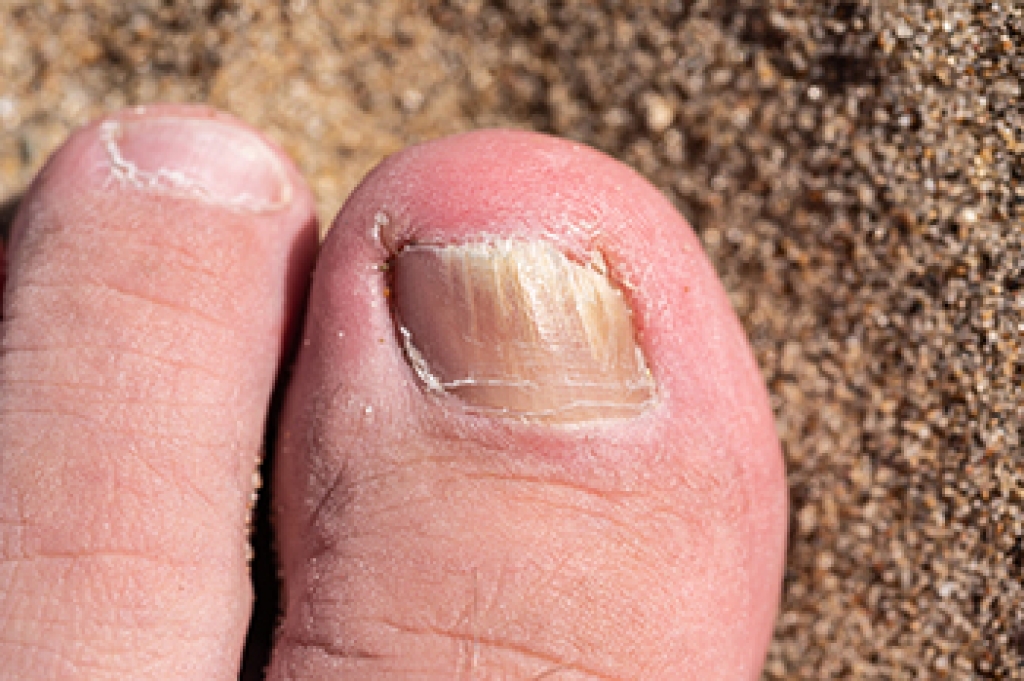
Toenail fungus can develop for several reasons related to environment, nail health, and overall foot care. This infection affects the nail unit, which protects the toes and helps support balance and pressure during walking. It commonly begins when fungi enter the body through small cracks in the nail or surrounding skin. and it occurs in warm, moist environments like inside tight shoes or damp socks. Over time, the nail may become thickened, brittle, and discolored. It can appear yellow, white, or brown and may lift from the nail bed or develop a crumbly texture. A podiatrist can examine the nail and may perform tests to confirm the diagnosis. Treatment options include topical or oral antifungal medications, professional trimming or thinning of the nail, and guidance on proper hygiene and footwear to reduce recurrence. If you have symptoms of toenail fungus, it is suggested that you schedule an appointment with a podiatrist for effective treatment solutions.
For more information about treatment, contact Julie Jurd-Sadler, DPM of Progressive Podiatry. Our doctor can provide the care you need to keep you pain-free and on your feet.
Toenail Fungus Treatment
Toenail fungus is a condition that affects many people and can be especially hard to get rid of. Fortunately, there are several methods to go about treating and avoiding it.
Antifungals & Deterrence
Oral antifungal medicine has been shown to be effective in many cases. It is important to consult with a podiatrist to determine the proper regiment for you, or potentially explore other options.
Applying foot powder on the feet and shoes helps keep the feet free of moisture and sweat.
Sandals or open toed shoes – Wearing these will allow air movement and help keep feet dry. They also expose your feet to light, which fungus cannot tolerate. Socks with moisture wicking material also help as well.
If you have any questions please contact our offices located in Ijamsville and Mouth Airy, MD . We offer the newest diagnostic and treatment technologies for all your foot and ankle needs.
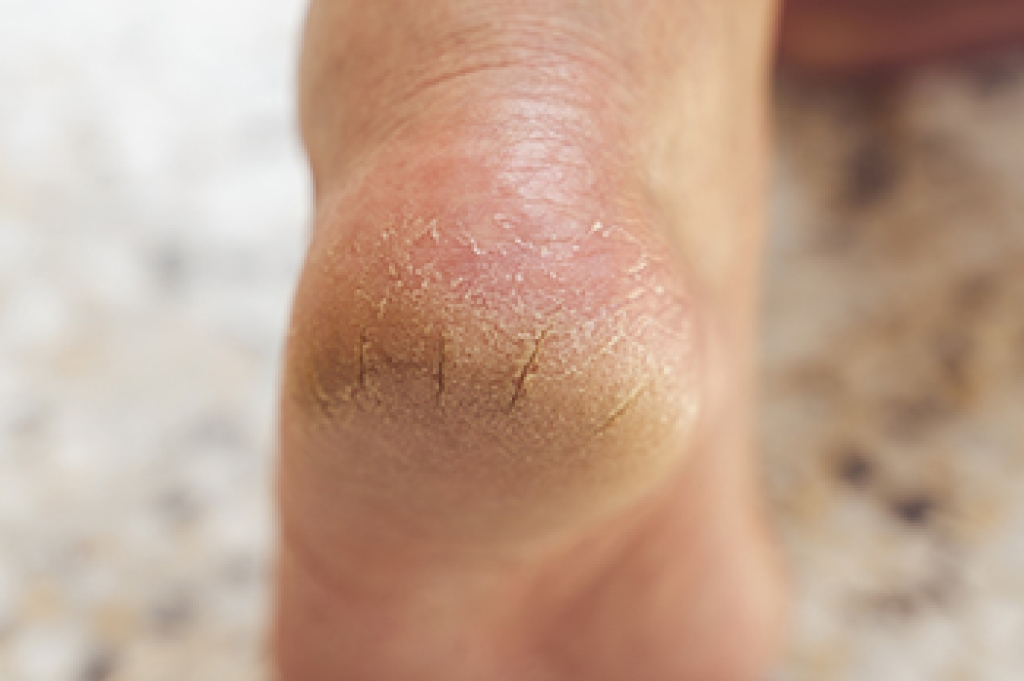
Cracked heels and callouses develop when the skin on the feet becomes thick, dry, and less flexible. Callouses form as a protective response to repeated pressure or friction, often appearing on the heels or balls of the feet. Over time, the skin may become excessively thick and begin to split, leading to painful fissures in the heel. These cracks may look like deep lines in the skin and can feel tender, especially when standing or walking. Contributing factors include standing for a long time, wearing open back shoes, dry skin, and certain medical conditions that affect skin health. A podiatrist can evaluate the severity of the callous buildup and determine whether there are underlying causes. Treatment includes careful removal of thickened skin, moisturizing routines to restore flexibility, and prescribing custom orthotics to reduce pressure. Early care helps prevent deeper cracks and possible infection. If you have cracked heels or callouses that have become painful, it is suggested that you make an appointment with a podiatrist.
Cracked heels are unsightly and can cause further damage to your shoes and feet. If you have any concerns, contact Julie Jurd-Sadler, DPM from Progressive Podiatry. Our doctor can provide the care you need to keep you pain-free and on your feet.
Cracked Heels
Cracked heels appear unappealing and can make it harder for you walk around in sandals. Aside from looking unpleasant, cracked heels can also tear stockings, socks, and wear out your shoes. There are several methods to help restore a cracked heel and prevent further damage.
How Do You Get Them?
Dry skin is the number one culprit in creating cracked heels. Many athletes, walkers, joggers, and even swimmers suffer from cracked heels. Age and skin oil production play a role to getting cracked heels as well.
Promote Healing
Over the counter medicines can help, especially for those that need instant relief or who suffer from chronic dry feet.
Wear Socks – Wearing socks with medicated creams helps lock in moisture.
Moisturizers – Applying both day and night will help alleviate dryness which causes cracking.
Pumice Stones – These exfoliate and remove dead skin, which allows for smoother moisturizer application and better absorption into the skin.
Change in Diet
Eating healthy with a well-balanced diet will give the skin a fresh and radiant look. Your body responds to the kinds of food you ingest. Omega-3 fatty acids and zinc supplements can also revitalize skin tissue.
Most importantly, seek professional help if unsure how to proceed in treating cracked heels. A podiatrist will help you with any questions or information needed.
If you have any questions, please feel free to contact our offices located in Ijamsville and Mouth Airy, MD . We offer the newest diagnostic and treatment technologies for all your foot care needs.
Connect With Us
