
Have you noticed a bony protrusion on the side of your big toe? If so, you may have developed the foot condition known as a bunion. Don't let bunions interfere with your daily activities.
Have you noticed a bony protrusion on the side of your big toe? If so, you may have developed the foot condition known as a bunion. Don't let bunions interfere with your daily activities.

Tiny cracks in the bones of the foot can develop from repeated strain rather than a single sudden injury, often causing discomfort that gradually worsens with movement. Because symptoms may begin subtly, diagnosis is not always straightforward, especially when early testing does not clearly show the problem. A podiatrist will consider symptom history, physical examination findings, activity patterns, foot structure, and overall health factors that may affect bone strength. When discomfort continues despite an unclear initial evaluation, more detailed scanning may be used to identify the source of pain. Treatment depends on which bone is affected and how severe the injury appears. Many cases require protecting the foot with supportive devices that limit motion while healing takes place. Temporary changes in physical activity are often necessary to prevent the injury from worsening. Early diagnosis can help avoid longer recovery times or more serious complications. If foot pain continues to worsen with activity, it is suggested that you visit a podiatrist for an evaluation and appropriate treatment.
Activities where too much pressure is put on the feet can cause stress fractures. To learn more, contact Julie Jurd-Sadler, DPM from Progressive Podiatry. Our doctor can provide the care you need to keep your pain free and on your feet.
Dealing with Stress Fractures of the Foot and Ankle
Stress fractures occur in the foot and ankle when muscles in these areas weaken from too much or too little use. The feet and ankles then lose support when walking or running from the impact of the ground. Since there is no protection, the bones receive the full impact of each step. Stress on the feet can cause cracks to form in the bones, thus creating stress fractures.
What Are Stress Fractures?
Stress fractures occur frequently in individuals whose daily activities cause great impact on the feet and ankles. Stress factors are most common among:
Symptoms
Pain from the fractures occur in the area of the fractures and can be constant or intermittent. It will often cause sharp or dull pain with swelling and tenderness. Engaging in any kind of activity which involves high impact will aggravate pain.
If you have any questions please contact our offices located in Ijamsville and Mouth Airy, MD . We offer the newest diagnostic and treatment technologies for all your foot and ankle needs.

Summer is a time for vacations, outdoor activities, and spending more hours on your feet. Whether you are walking along the beach, exploring a new city, or attending outdoor events, your feet often work harder during the warmer months. Open-toed shoes, sandals, and increased activity can also make existing foot problems more noticeable. Conditions such as bunions, hammertoes, or heel pain may become more uncomfortable when footwear provides less support or places added pressure on sensitive areas. Skin and toenail concerns may also be easier to notice during sandal season. Preparing your feet for summer activities can help identify developing problems early and support healthier, more comfortable movement throughout the season.
As activity levels increase, foot discomfort can interfere with enjoying summer plans. Some people experience soreness after spending more time walking, while others notice swelling or pain after standing for long periods. Existing foot conditions may also become more noticeable because of changes in footwear or increased physical activity. Even mild symptoms should not be ignored, as they can become more limiting over time. A professional evaluation can determine whether foot pain, changes in foot shape, or nail concerns are signs of an underlying condition. Addressing these issues early may help improve comfort and support better mobility throughout the summer months.
A podiatrist can help patients prepare their feet for summer by identifying problems before they interfere with seasonal activities. During an examination, the podiatrist evaluates foot structure, walking mechanics, and any symptoms affecting comfort or mobility. Treatment is individualized to improve foot function, relieve discomfort, and help patients stay active with greater confidence. Regular podiatry care also supports long-term foot health during every season of the year. If you are experiencing foot pain, changes in your feet, or difficulty walking this summer, it is suggested that you consult a podiatrist for an evaluation and appropriate treatment options.
Everyday foot care is very important to prevent infection and other foot ailments. If you need your feet checked, contact Julie Jurd-Sadler, DPM from Progressive Podiatry. Our doctor can provide the care you need to keep you pain-free and on your feet.
Everyday Foot Care
Often, people take care of their bodies, face and hair more so than they do for their feet. But the feet are a very important aspect of our bodies, and one that we should pay more attention to. Without our feet, we would not be able to perform most daily tasks.
It is best to check your feet regularly to make sure there are no new bruises or cuts that you may not have noticed before. For dry feet, moisturizer can easily be a remedy and can be applied as often as necessary to the affected areas. Wearing shoes that fit well can also help you maintain good foot health, as well as making it easier to walk and do daily activities without the stress or pain of ill-fitting shoes, high heels, or even flip flops. Wearing clean socks with closed shoes is important to ensure that sweat and bacteria do not accumulate within the shoe. Clean socks help to prevent Athlete’s foot, fungi problems, bad odors, and can absorb sweat.
If you have any questions, please feel free to contact our offices located in Ijamsville and Mouth Airy, MD . We offer the newest diagnostic and treatment technologies for all your foot care needs.
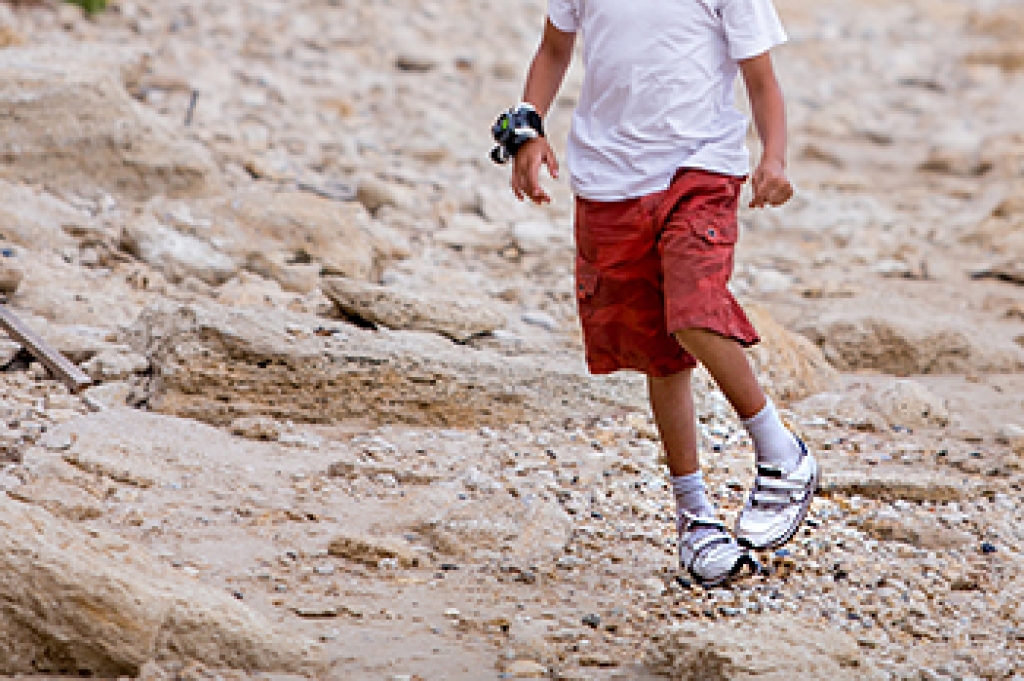
Clubfoot is a congenital foot deformity that is present at birth and affects the position and structure of a baby’s foot. In this condition, the foot appears twisted downward and inward, which can make it difficult for the sole to rest flat on the ground. Clubfoot can affect one or both feet and varies in severity. It is not caused by how the baby is positioned in the womb, but rather by abnormalities in the muscles, tendons, and bones that develop before birth. Early diagnosis is important because timely treatment can significantly improve long-term function and mobility.
The symptoms of clubfoot are often visible immediately after birth. The foot may appear smaller than normal, with the heel turned inward and the arch exaggerated. The calf muscles on the affected side may also be underdeveloped. While clubfoot itself is not painful in infants, it can lead to discomfort and difficulty walking if left untreated. As a child grows, untreated clubfoot may result in abnormal walking patterns, limited range of motion, and pressure-related skin issues.
The exact cause of clubfoot is not always known, but several risk factors have been identified. Genetics can play a role, especially if there is a family history of the condition. Environmental factors during pregnancy may also contribute. Clubfoot develops as the tendons connecting the muscles to the bones are shorter and tighter than normal, which pulls the foot into an abnormal position. Boys are more commonly affected than girls, and the condition may occur alongside other developmental concerns.
Treatment typically begins shortly after birth and often includes gentle stretching, casting, and bracing to gradually correct the foot’s position. In some cases, minor surgical procedures may be needed to release tight tendons. Early intervention leads to the best outcomes and helps children achieve normal or near normal mobility. If your child has been born with clubfoot, it is suggested that you include a podiatrist on your healthcare team who can contribute to achieving optimum results.
Congenital foot problems require immediate attention to avoid future complications. If you have any concerns, contact Julie Jurd-Sadler, DPM of Progressive Podiatry. Our doctor can provide the care you need to keep you pain-free and on your feet.
Congenital foot problems are deformities affecting the feet, toes, and/or ankles that children are born with. Some of these conditions have a genetic cause while others just happen. Some specific foot ailments that children may be born with include clubfeet, polydactyly/macrodactyly, and cleft foot. There are several other foot anomalies that can occur congenitally. What all of these conditions have in common is that a child may experience difficulty walking or performing everyday activities, as well as trouble finding footwear that fits their foot deformity. Some of these conditions are more serious than others. Consulting with a podiatrist as early as possible will help in properly diagnosing a child’s foot condition while getting the necessary treatment underway.
What are Causes of Congenital Foot Problem?
A congenital foot problem is one that happens to a child at birth. These conditions can be caused by a genetic predisposition, developmental or positional abnormalities during gestation, or with no known cause.
What are Symptoms of Congenital Foot Problems?
Symptoms vary by the congenital condition. Symptoms may consist of the following:
Treatment and Prevention
While there is nothing one can do to prevent congenital foot problems, raising awareness and receiving neonatal screenings are important. Early detection by taking your child to a podiatrist leads to the best outcome possible.
If you have any questions, please feel free to contact our offices located in Ijamsville and Mouth Airy, MD . We offer the newest diagnostic and treatment technologies for all your foot care needs.
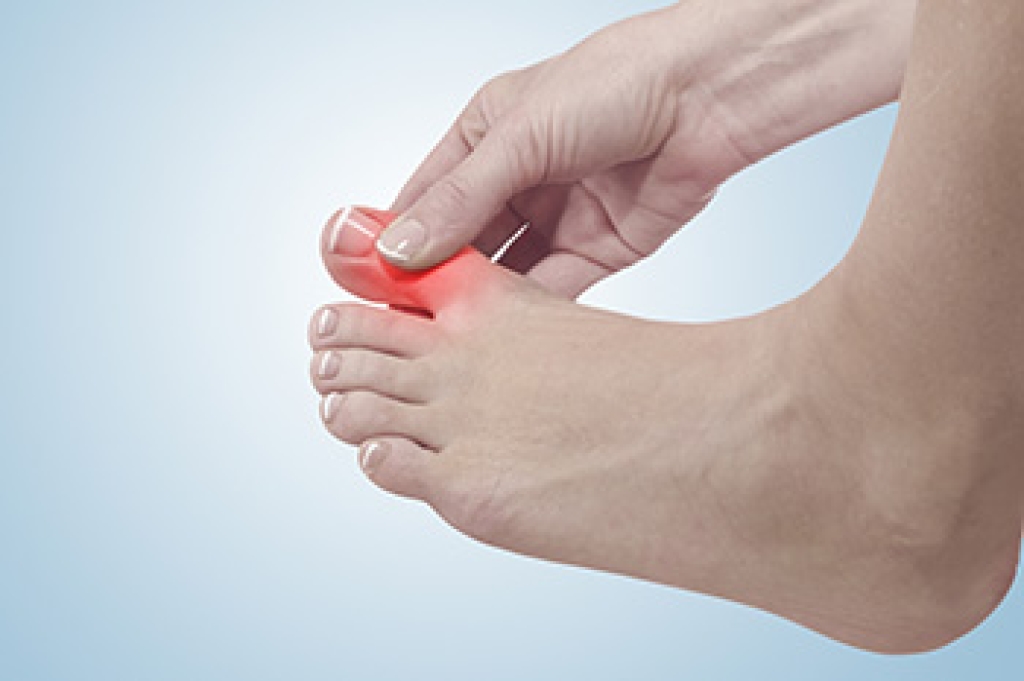
The big toe plays an important role in balance and forward motion when walking. If the joint at the base of the toe becomes stiff, bending the toe normally can be challenging. This condition is sometimes called hallux rigidus, which means stiff big toe. It develops when the joint gradually loses flexibility and movement. In many cases, the cartilage that cushions the joint begins to wear down, causing the bones to move less smoothly. Bone spurs, which are extra areas of bone growth, can also form around the joint and further restrict movement. People with big toe stiffness often notice pain when walking, climbing stairs, or participating in sports activities.
Several factors contribute to big toe stiffness. Previous injuries to the toe can damage the joint and lead to long-term problems. Repeated stress from sports or physically demanding activities can also affect the joint. Certain foot structures, including flat feet or very high arches, can place extra pressure on the big toe joint. Arthritis is another important cause. Symptoms typically include stiffness, pain, and swelling surrounding the joint. Some people develop a noticeable bump on top of the joint due to bone spur formation. As movement becomes more limited, walking patterns can change. This sometimes causes discomfort in other areas of the foot. Shoes that fit poorly or footwear that lacks adequate support can increase irritation around the affected joint.
A podiatrist can evaluate big toe stiffness through a physical examination and X-rays or other imaging scans. Identifying the exact cause is important because several conditions can create similar symptoms. After diagnosis, treatment can focus on reducing pain, improving joint function, and slowing further joint damage. Treatment options include custom orthotics, specialized shoe recommendations, and medication to reduce inflammation. In more advanced cases, surgery can improve movement or relieve pain. If you have stiffness in the big toe, it is suggested that you schedule an appointment with a podiatrist for diagnosis and appropriate treatment.
Toe pain can disrupt your daily activities. If you have any concerns, contact Julie Jurd-Sadler, DPM of Progressive Podiatry. Our doctor can provide the care you need to keep you pain-free and on your feet.
What Causes Toe Pain?
Most severe toe pain is caused due to a sports injury, trauma from dropping something heavy on the toe, or bumping into something rigid. Other problems can develop over time for various reasons.
Toe pain can be caused by one or more ailments. The most common include:
When to See a Podiatrist
Diagnosis
In many cases the cause of toe pain is obvious, but in others, a podiatrist may want to use more advanced methods to determine the problem. These can range from simple visual inspections and sensation tests to X-rays and MRI scans. Prior medical history, family medical history, and any recent physical traumatic events will all be taken into consideration for a proper diagnosis.
Treatment
Treatments for toe pain and injuries vary and may include shoe inserts, padding, taping, medicines, injections, and in some cases, surgery. If you believe that you have broken a toe, please see a podiatrist as soon as possible.
If you have any questions please contact our offices located in Ijamsville and Mouth Airy, MD . We offer the newest diagnostic and treatment technologies for all your foot and ankle needs.
Connect With Us
