
What Is Achilles Tendinopathy?

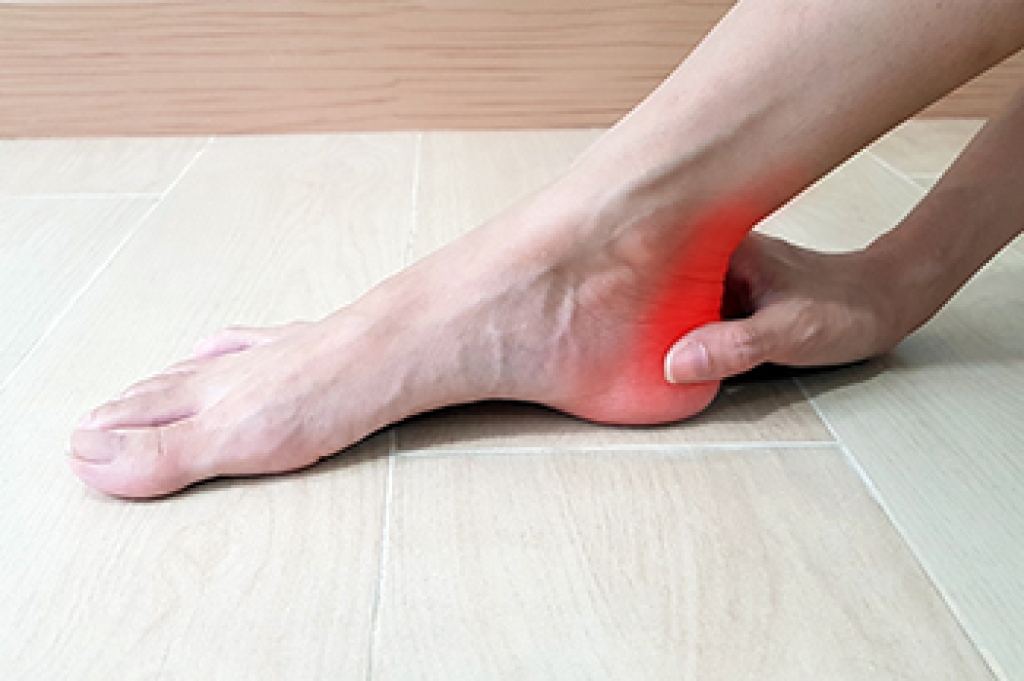
Achilles tendinopathy involves irritation and degeneration of the strong tendon that connects the calf muscles to the heel. It usually develops gradually from overuse, especially in runners or people who suddenly increase activity levels. Pain is typically felt along the back of the heel or lower leg, and may be worse with the first steps in the morning or after periods of rest. The area may appear thickened, swollen, or tender to touch. Stiffness can limit movement while walking or exercising. Without proper care, symptoms may last longer and become more painful. A podiatrist can assess the tendon, evaluate gait and foot structure, and identify contributing factors. Treatment includes activity modification,  wearing supportive footwear, custom orthotics, and targeted exercises to improve flexibility and strength. In more advanced cases, additional therapies or procedures may be recommended. If you have Achilles tendon pain, it is suggested that you schedule an appointment with a podiatrist for appropriate treatment solutions.

Achilles tendon injuries need immediate attention to avoid future complications. If you have any concerns, contact Julie Jurd-Sadler, DPM of Progressive Podiatry. Our doctor can provide the care you need to keep you pain-free and on your feet.

What Is the Achilles Tendon?

The Achilles tendon is a tendon that connects the lower leg muscles and calf to the heel of the foot. It is the strongest tendon in the human body and is essential for making movement possible. Because this tendon is such an integral part of the body, any injuries to it can create immense difficulties and should immediately be presented to a doctor.

What Are the Symptoms of an Achilles Tendon Injury?

There are various types of injuries that can affect the Achilles tendon. The two most common injuries are Achilles tendinitis and ruptures of the tendon.

Achilles Tendinitis Symptoms

  • Inflammation
  • Dull to severe pain
  • Increased blood flow to the tendon
  • Thickening of the tendon

Rupture Symptoms

  • Extreme pain and swelling in the foot
  • Total immobility

Treatment and Prevention

Achilles tendon injuries are diagnosed by a thorough physical evaluation, which can include an MRI. Treatment involves rest, physical therapy, and in some cases, surgery. However, various preventative measures can be taken to avoid these injuries, such as:

  • Thorough stretching of the tendon before and after exercise
  • Strengthening exercises like calf raises, squats, leg curls, leg extensions, leg raises, lunges, and leg presses

If you have any questions please feel free to contact our offices located in Ijamsville and Mouth Airy, MD . We offer the newest diagnostic tools and technology to treat your foot and ankle needs.

Read more about The Causes, Types, and Treatments of Achilles Tendon Injuries

Causes and Risk Factors of Workplace Falls

Workplace falls are a common source of injury, often caused by hazards such as unguarded edges, open holes, improper guardrails, slippery conditions, and improper use of ladders, all of which increase the risk of losing balance and sustaining harm. These incidents can lead to various types of foot injuries, including fractures, sprains, bruising, and soft tissue damage, which may affect mobility and daily function. The risk of falling increases in environments with poor safety practices, inadequate training, or lack of protective equipment. A podiatrist can evaluate injuries, provide treatment, and guide recovery through personalized care and prevention strategies. If you have sustained a workplace fall or have developed foot pain, it is suggested that you consult a podiatrist who can treat various foot conditions, and offer effective fall prevention tips.

Preventing falls among the elderly is very important. If you are older and have fallen or fear that you are prone to falling, consult with Julie Jurd-Sadler, DPM from Progressive Podiatry. Our doctor will assess your condition and provide you with quality advice and care.

Every 11 seconds, an elderly American is being treated in an emergency room for a fall related injury. Falls are the leading cause of head and hip injuries for those 65 and older. Due to decreases in strength, balance, senses, and lack of awareness, elderly persons are very susceptible to falling. Thankfully, there are a number of things older persons can do to prevent falls.

How to Prevent Falls

Some effective methods that older persons can do to prevent falls include:

  • Enrolling in strength and balance exercise program to increase balance and strength
  • Periodically having your sight and hearing checked
  • Discuss any medications you have with a doctor to see if it increases the risk of falling
  • Clearing the house of falling hazards and installing devices like grab bars and railings
  • Utilizing a walker or cane
  • Wearing shoes that provide good support and cushioning
  • Talking to family members about falling and increasing awareness

Falling can be a traumatic and embarrassing experience for elderly persons; this can make them less willing to leave the house, and less willing to talk to someone about their fears of falling. Doing such things, however, will increase the likelihood of tripping or losing one’s balance. Knowing the causes of falling and how to prevent them is the best way to mitigate the risk of serious injury.  

If you have any questions, please feel free to contact our offices located in Ijamsville and Mouth Airy, MD . We offer the newest diagnostic and treatment technologies for all your foot care needs.

Read more about Falls Prevention

Ankle Sprains and the Hidden Risk of Future Falls

An ankle sprain occurs when the ligaments that support the ankle joint are stretched or torn, often from a sudden twist or misstep. While many people recover, the injury can leave behind weakness, reduced balance, and a reduced sense of where the ankle is during movement. These changes may increase the risk of future falls, especially in older adults. The ankle plays a key role in stability, and when it does not respond quickly or accurately, it can affect how safely you walk or change direction. Proper treatment includes rest, support, and exercises that rebuild strength and balance. Without proper treatment, the ankle may remain unstable and more prone to repeat injury. Wearing supportive footwear and addressing uneven walking patterns can also help reduce risk. If you have had an ankle sprain and notice ongoing instability or balance issues, it is suggested that you see a podiatrist for evaluation and appropriate treatment.

Ankle sprains are common but need immediate attention. If you need your feet checked, contact Julie Jurd-Sadler, DPM from Progressive Podiatry. Our doctor can provide the care you need to keep you pain-free and on your feet.

How Does an Ankle Sprain Occur?

Ankle sprains take place when the ligaments in your ankle are torn or stretched beyond their limits. There are multiple ways that the ankle can become injured, including twisting or rolling over onto your ankle, putting undue stress on it, or causing trauma to the ankle itself.

What Are the Symptoms?

  • Mild to moderate bruising
  • Limited mobility
  • Swelling
  • Discoloration of the skin (depending on severity)

Preventing a Sprain

  • Wearing appropriate shoes for the occasion
  • Stretching before exercises and sports
  • Knowing your limits

Treatment of a Sprain

Treatment of a sprain depends on the severity.  Many times, people are told to rest and remain off their feet completely, while others are given an air cast. If the sprain is very severe, surgery may be required.

If you have suffered an ankle sprain previously, you may want to consider additional support such as a brace and regular exercises to strengthen the ankle.

If you have any questions please feel free to contact our offices located in Ijamsville and Mouth Airy, MD . We offer the newest diagnostic tools and technology to treat your foot and ankle needs.

Read more about Three Grades of Ankle Sprains

Connect With Us