How Foot Pain Is Affecting the Lives of Americans

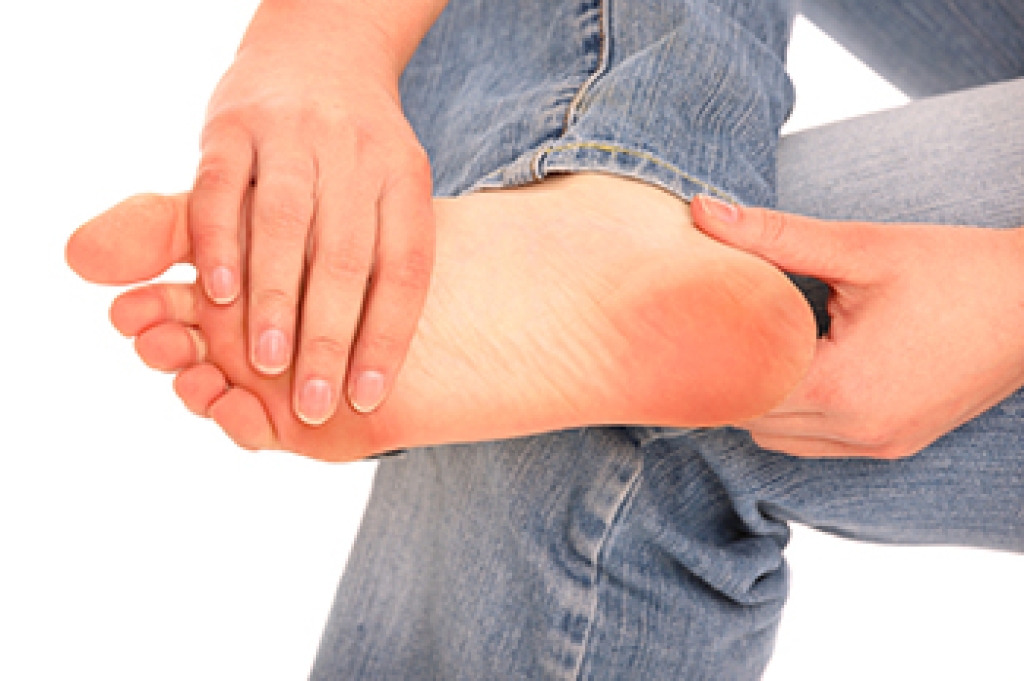
Foot pain is far more common than most people realize. About 81 percent of American adults report experiencing it at some point, and nearly half describe it as debilitating. Foot pain not only limits physical health but also reduces how easily people move through their day and enjoy normal routines. Countless individuals cut back on walking, exercising, or even simple household chores because of persistent discomfort. There has been a growing focus on foot health trends aimed at combating these challenges. Run clubs are surging in popularity, encouraging community activity but also increasing risks of overuse injuries like plantar fasciitis. At the same time, custom orthotics and wearable tech designed with embedded sensors are making strides in monitoring gait, pressure, and early warning signs, especially valuable for athletes and those managing chronic conditions. If your feet are holding you back on a regular basis, it is suggested you schedule an appointment with a podiatrist to find personalized solutions.

Foot Pain

Foot pain can be extremely painful and debilitating. If you have a foot pain, consult with Julie Jurd-Sadler, DPM from Progressive Podiatry. Our doctor will assess your condition and provide you with quality foot and ankle treatment.

Causes

Foot pain is a very broad condition that could be caused by one or more ailments. The most common include:

  • Bunions
  • Hammertoes
  • Plantar Fasciitis
  • Bone Spurs
  • Corns
  • Tarsal Tunnel Syndrome
  • Ingrown Toenails
  • Arthritis (such as Gout, Rheumatoid, and Osteoarthritis)
  • Flat Feet
  • Injury (from stress fractures, broken toe, foot, ankle, Achilles tendon ruptures, and sprains)
  • And more

Diagnosis

To figure out the cause of foot pain, podiatrists utilize several different methods. This can range from simple visual inspections and sensation tests to X-rays and MRI scans. Prior medical history, family medical history, and any recent physical traumatic events will all be taken into consideration for a proper diagnosis.

Treatment

Treatment depends upon the cause of the foot pain. Whether it is resting, staying off the foot, or having surgery; podiatrists have a number of treatment options available for foot pain.

If you have any questions, please feel free to contact our offices located in Ijamsville and Mouth Airy, MD . We offer the newest diagnostic and treatment technologies for all your foot care needs.

Read more about Foot Pain

Poor Circulation and Your Feet

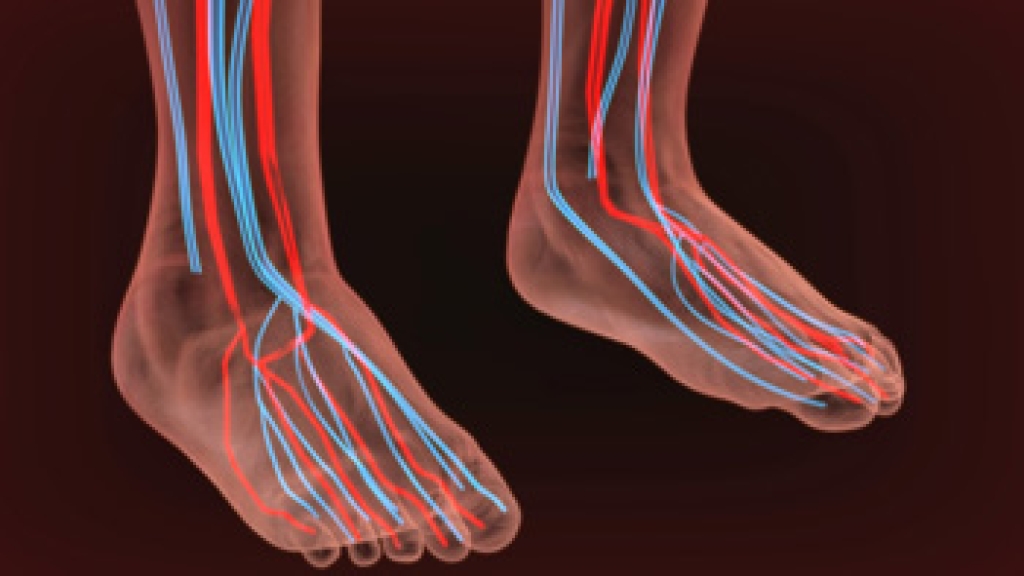
Poor circulation occurs when blood flow through the vessels is reduced, often due to conditions like diabetes, peripheral artery disease, or prolonged inactivity. When circulation is compromised, the feet may feel cold, numb, or tingly and may develop slow-healing wounds or discoloration. These symptoms can increase the risk of infection and make everyday activities more difficult. A podiatrist can assess blood flow, identify underlying causes, and provide treatments to improve circulation and foot health. This may include lifestyle guidance and wound care tips. If you notice changes in your feet, such as temperature shifts, swelling, or sores that do not heal, it is suggested that you visit a podiatrist promptly who can provide a proper diagnosis and treatment.

While poor circulation itself isn’t a condition; it is a symptom of another underlying health condition you may have. If you have any concerns with poor circulation in your feet contact Julie Jurd-Sadler, DPM of Progressive Podiatry. Our doctor will treat your foot and ankle needs.

Poor Circulation in the Feet

Peripheral artery disease (PAD) can potentially lead to poor circulation in the lower extremities. PAD is a condition that causes the blood vessels and arteries to narrow. In a linked condition called atherosclerosis, the arteries stiffen up due to a buildup of plaque in the arteries and blood vessels. These two conditions can cause a decrease in the amount of blood that flows to your extremities, therefore resulting in pain.

Symptoms

Some of the most common symptoms of poor circulation are:

  • Numbness
  • Tingling
  • Throbbing or stinging pain in limbs
  • Pain
  • Muscle Cramps

Treatment for poor circulation often depends on the underlying condition that causes it. Methods for treatment may include insulin for diabetes, special exercise programs, surgery for varicose veins, or compression socks for swollen legs.

As always, see a podiatrist as he or she will assist in finding a regimen that suits you. A podiatrist can also prescribe you any needed medication. 

If you have any questions, please feel free to contact our offices located in Ijamsville and Mouth Airy, MD . We offer the newest diagnostic and treatment technologies for all your foot care needs.

Read more about Causes Symptoms and Treatment for Poor Circulation in the Feet

Preventing Workplace Falls and Safety Tips

Preventing workplace falls begins with proper training and awareness. Safe use of ladders includes placing them on stable surfaces and maintaining three points of contact while climbing. Scaffolding must be properly assembled with guardrails and secure platforms. In construction and other high-risk jobs, wearing the correct footwear and keeping walkways clear of debris are essential. Reducing slips and falls involves cleaning spills quickly, using slip-resistant mats, and wearing shoes with good traction. A podiatrist can recommend supportive footwear or orthotics to improve stability and help address foot pain that may affect balance. If you have sustained a foot and ankle injury while working, it is suggested that you visit a podiatrist who can treat various foot conditions, and guide you toward effective fall prevention tips.

Preventing falls among the elderly is very important. If you are older and have fallen or fear that you are prone to falling, consult with Julie Jurd-Sadler, DPM from Progressive Podiatry. Our doctor will assess your condition and provide you with quality advice and care.

Every 11 seconds, an elderly American is being treated in an emergency room for a fall related injury. Falls are the leading cause of head and hip injuries for those 65 and older. Due to decreases in strength, balance, senses, and lack of awareness, elderly persons are very susceptible to falling. Thankfully, there are a number of things older persons can do to prevent falls.

How to Prevent Falls

Some effective methods that older persons can do to prevent falls include:

  • Enrolling in strength and balance exercise program to increase balance and strength
  • Periodically having your sight and hearing checked
  • Discuss any medications you have with a doctor to see if it increases the risk of falling
  • Clearing the house of falling hazards and installing devices like grab bars and railings
  • Utilizing a walker or cane
  • Wearing shoes that provide good support and cushioning
  • Talking to family members about falling and increasing awareness

Falling can be a traumatic and embarrassing experience for elderly persons; this can make them less willing to leave the house, and less willing to talk to someone about their fears of falling. Doing such things, however, will increase the likelihood of tripping or losing one’s balance. Knowing the causes of falling and how to prevent them is the best way to mitigate the risk of serious injury.  

If you have any questions, please feel free to contact our offices located in Ijamsville and Mouth Airy, MD . We offer the newest diagnostic and treatment technologies for all your foot care needs.

Read more about Falls Prevention

Understanding Toe Pain and Finding Relief

Toe pain can result from many causes, including injury, joint problems, nail issues, or pressure from shoes that do not fit properly. It may come on suddenly or develop gradually, depending on the source. Common reasons include bunions, hammertoes, ingrown nails, arthritis, or stress from overuse. The affected toe may appear swollen, stiff, or red, and walking can become difficult. Choosing supportive shoes with a wide toe box and avoiding high heels can ease pressure and resting the foot may help reduce discomfort. Stretching and gentle movement can improve flexibility if stiffness is a problem. In some cases, padding, orthotics, or splints may be recommended to protect the toe and promote healing. While many cases respond to simple care, pain that does not improve should be evaluated. If toe discomfort is limiting your mobility or continues to worsen, it is suggested that you see a podiatrist for a diagnosis and appropriate treatment.

Toe pain can disrupt your daily activities. If you have any concerns, contact Julie Jurd-Sadler, DPM of Progressive Podiatry. Our doctor can provide the care you need to keep you pain-free and on your feet.

What Causes Toe Pain?

Most severe toe pain is caused due to a sports injury, trauma from dropping something heavy on the toe, or bumping into something rigid. Other problems can develop over time for various reasons.

Toe pain can be caused by one or more ailments. The most common include:

  • Trauma
  • Sports injury
  • Wearing shoes that are too tight
  • Arthritis
  • Gout
  • Corns and calluses
  • Hammertoe
  • Bunions
  • Blisters
  • Ingrown toenails
  • Sprains
  • Fractures (broken bones)
  • Dislocations

When to See a Podiatrist

  • Severe pain
  • Persistent pain that lasts more than a week
  • Signs of infection
  • Continued swelling
  • Pain that prevents walking

Diagnosis

In many cases the cause of toe pain is obvious, but in others, a podiatrist may want to use more advanced methods to determine the problem. These can range from simple visual inspections and sensation tests to X-rays and MRI scans. Prior medical history, family medical history, and any recent physical traumatic events will all be taken into consideration for a proper diagnosis.

Treatment

Treatments for toe pain and injuries vary and may include shoe inserts, padding, taping, medicines, injections, and in some cases, surgery. If you believe that you have broken a toe, please see a podiatrist as soon as possible.

If you have any questions please contact our offices located in Ijamsville and Mouth Airy, MD . We offer the newest diagnostic and treatment technologies for all your foot and ankle needs.

Read more about Toe Pain

Are You Suffering From Ingrown Toenails?

If left untreated, an ingrown toenail can lead to more serious concerns, such as an infection. Knowing proper nail care can help in the prevention of an ingrown toenail. Give us a call, and get treated!

Connect With Us