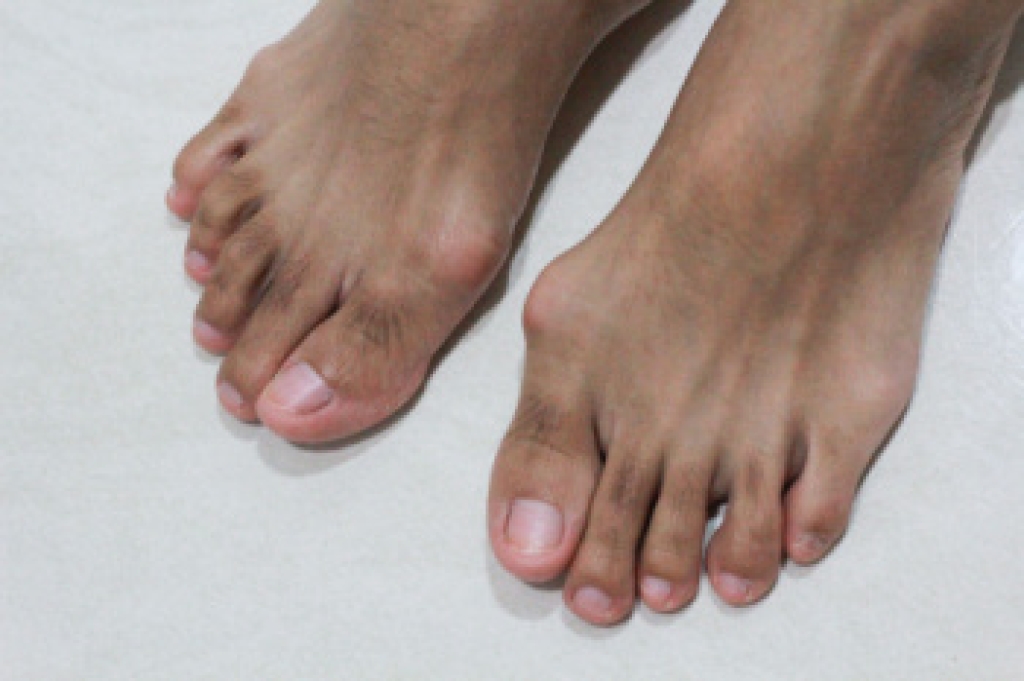
Podiatric Care for Painful Bunions

Bunions develop when the joint at the base of the big toe gradually changes position. The big toe leans toward the smaller toes, creating a noticeable bump along the inside of the foot. This change may cause pain, redness, and swelling around the joint. Some people notice stiffness when bending the big toe. Others feel pressure while wearing shoes, especially those with narrow toe areas. Family history and foot structure influence the development of bunions. Arthritis may also affect the joint and increase discomfort. A bunion sometimes makes walking difficult because the big toe helps support the body with each step. The bump itself is not simply extra bone. It reflects a change in the position of the joint beneath the skin.

A podiatrist examines the foot to determine how the bunion affects movement and comfort. The examination includes checking toe alignment, joint flexibility, and areas of tenderness. X-rays may show the position of the bones and the extent of the change. Treatment focuses on reducing pressure and improving daily comfort. A podiatrist may recommend shoes with enough room around the toes. Custom orthotics may help distribute pressure more evenly across the foot. Protective padding may reduce rubbing against the bunion. The podiatrist also evaluates nearby toes for changes caused by crowding. Treatment choices depend on symptoms rather than the size of the bump alone. Regular evaluations help track changes in joint position and walking comfort.

Bunion discomfort sometimes leads patients to shift their weight while standing or walking. These changes may place additional strain on other parts of the foot. A podiatrist studies the patient's walking pattern and recommends support suited to their needs. Follow-up appointments assess pain, skin irritation, and joint movement. Although noninvasive treatment does not straighten the underlying bones, it may relieve symptoms and support comfortable activity. Increasing pain or difficulty finding comfortable shoes deserves another thorough examination. Early attention helps patients understand their options and address problems before daily activities become harder. If you have developed a bunion, it is suggested that you schedule an appointment with a podiatrist for effective relief and management solutions. 

If you are suffering from bunions, contact Julie Jurd-Sadler, DPM of Progressive Podiatry. Our doctor can provide the care you need to keep you pain-free and on your feet.

What Is a Bunion?

A bunion is formed of swollen tissue or an enlargement of boney growth, usually located at the base joint of the toe that connects to the foot. The swelling occurs due to the bones in the big toe shifting inward, which impacts the other toes of the foot. This causes the area around the base of the big toe to become inflamed and painful.

Why Do Bunions Form?

Genetics – Susceptibility to bunions are often hereditary

Stress on the feet – Poorly fitted and uncomfortable footwear that places stress on feet, such as heels, can worsen existing bunions

How Are Bunions Diagnosed?

Podiatrists often perform two tests – blood tests and x-rays – when trying to diagnose bunions, especially in the early stages of development. Blood tests help determine if the foot pain is being caused by something else, such as arthritis, while x-rays provide a clear picture of your bone structure to your provider.

How Are Bunions Treated?

  • Refrain from wearing heels or similar shoes that cause discomfort
  • Select wider shoes that can provide more comfort and reduce pain
  • Anti-inflammatory and pain management drugs
  • Orthotics or foot inserts
  • Surgery

If you have any questions, please feel free to contact our offices located in Ijamsville and Mouth Airy, MD . We offer the newest diagnostic and treatment technologies for all your foot care needs.


Read more about Bunions

How Podiatrists Treat Achilles Tendon Pain and Injuries

Achilles tendon injuries can make each step painful, especially when climbing stairs. The Achilles tendon is the band of tissue connecting your calf muscles to your heel bone. It helps lift your heel when you walk, run, or jump. Repeated strain can cause Achilles tendinopathy, which means irritation and damage within the tendon. Symptoms include pain, stiffness, and tenderness near the back of the heel. Discomfort can be worse after resting or activity. Some people notice thickening or swelling along the tendon. Symptoms can also change depending on the activity involved. This can limit daily movement.

Achilles tendon problems can develop when activity places more demand on the tendon than it can handle. Increasing running distance or exercise intensity can contribute to irritation. Tight calf muscles and limited ankle movement can also affect how the tendon handles stress. Pain may occur where the tendon joins the heel or higher along its length. A sudden snap followed by severe pain or difficulty pushing off the foot can indicate a tendon tear. This requires urgent assessment. Because heel pain has different causes, identifying the exact source matters before choosing treatment.

A podiatrist can examine your foot and ankle, discuss your activity level, and assess the painful tendon. They can check your walking pattern and identify factors that place extra strain on the heel. Treatment can include a guided strengthening program designed to gradually improve the tendon's ability to handle activity. A podiatrist may also recommend appropriate shoe support or a temporary heel lift for selected patients. Care should match the severity of the injury and your goals. Early evaluation can help prevent ongoing discomfort and support a safer return to normal activities. If you have an Achilles tendon injury, it is suggested that you schedule an appointment with a podiatrist for a diagnosis and appropriate treatment.

Achilles tendon injuries need immediate attention to avoid future complications. If you have any concerns, contact Julie Jurd-Sadler, DPM of Progressive Podiatry. Our doctor can provide the care you need to keep you pain-free and on your feet.

What Is the Achilles Tendon?

The Achilles tendon is a tendon that connects the lower leg muscles and calf to the heel of the foot. It is the strongest tendon in the human body and is essential for making movement possible. Because this tendon is such an integral part of the body, any injuries to it can create immense difficulties and should immediately be presented to a doctor.

What Are the Symptoms of an Achilles Tendon Injury?

There are various types of injuries that can affect the Achilles tendon. The two most common injuries are Achilles tendinitis and ruptures of the tendon.

Achilles Tendinitis Symptoms

  • Inflammation
  • Dull to severe pain
  • Increased blood flow to the tendon
  • Thickening of the tendon

Rupture Symptoms

  • Extreme pain and swelling in the foot
  • Total immobility

Treatment and Prevention

Achilles tendon injuries are diagnosed by a thorough physical evaluation, which can include an MRI. Treatment involves rest, physical therapy, and in some cases, surgery. However, various preventative measures can be taken to avoid these injuries, such as:

  • Thorough stretching of the tendon before and after exercise
  • Strengthening exercises like calf raises, squats, leg curls, leg extensions, leg raises, lunges, and leg presses

If you have any questions please feel free to contact our offices located in Ijamsville and Mouth Airy, MD . We offer the newest diagnostic tools and technology to treat your foot and ankle needs.

Read more about Achilles Tendon Injuries

Symptoms of a Broken Toe

A broken toe occurs when one of the small bones in the toes cracks or breaks. This injury results from dropping a heavy object onto the foot or striking the toe against a hard surface. Broken toes may develop during sports or activities involving sudden impacts. Although these injuries are often minor, the severity depends on which toe is affected and whether the broken bone remains properly aligned. The big toe is important for balance and walking, making injuries in this area more concerning. Some fractures involve a small crack, while others cause the bone to shift out of its normal position.


Common symptoms of a broken toe include pain, swelling, and bruising around the injured area. The affected toe may become tender to the touch, and discomfort increases when walking or wearing shoes. In more serious cases, the toe may appear crooked or unusually positioned. Some individuals experience difficulty moving the affected toe or placing weight on the foot. Broken toes generally heal within four to six weeks, although certain injuries require additional recovery time. Persistent pain or swelling may indicate a more complicated fracture. Injuries involving the big toe or significant changes in toe shape require attention because they may affect foot movement and stability.


A podiatrist evaluates a suspected broken toe by examining the injured area and checking the position of the affected bones. X-rays may be ordered to confirm the fracture and determine whether the bones remain aligned. Treatment depends on the severity and location of the injury. Some fractures require protective footwear or professional support to keep the toe stable while it heals. More complicated fractures may need treatment to restore proper alignment. Follow-up evaluations help monitor recovery and identify potential complications. If you are experiencing persistent toe pain, swelling, or difficulty walking after an injury, it is suggested that you consult a podiatrist for an evaluation and appropriate treatment options. 

A broken toe can be very painful and lead to complications if not properly fixed. If you have any concerns about your feet, contact Julie Jurd-Sadler, DPM from Progressive Podiatry. Our doctor will treat your foot and ankle needs.

What to Know About a Broken Toe

Although most people try to avoid foot trauma such as banging, stubbing, or dropping heavy objects on their feet, the unfortunate fact is that it is a common occurrence. Given the fact that toes are positioned in front of the feet, they typically sustain the brunt of such trauma. When trauma occurs to a toe, the result can be a painful break (fracture).

Symptoms of a Broken Toe

  • Throbbing pain
  • Swelling
  • Bruising on the skin and toenail
  • The inability to move the toe
  • Toe appears crooked or disfigured
  • Tingling or numbness in the toe

Generally, it is best to stay off of the injured toe with the affected foot elevated.

Severe toe fractures may be treated with a splint, cast, and in some cases, minor surgery. Due to its position and the pressure it endures with daily activity, future complications can occur if the big toe is not properly treated.

If you have any questions, please feel free to contact our offices located in Ijamsville and Mouth Airy, MD . We offer the newest diagnostic and treatment technologies for all your foot care needs.

Read more about What to Know About a Broken Toe

Connect With Us