Connect With Us
Blog
Blog
Monday, 08 June 2020 00:00
Why Do Cracked Heels Form?
 Having dry skin is one of the many factors that can result in the formation of cracked heels. Those who have biomechanical issues that increase the pressure put on the heel, may be more likely to experience cracked heels. Being obese can also create an increase in pressure put on the heels, as the feet are responsible to carry the extra weight. This causes a loss of suppleness in the pads of the feet. Due to this lack of flexibility and increased pressure, cracks and deep fissures can form on the heels. Wearing open back shoes can also be a risk factor for developing cracked heels, as these types of shoes may cause the fat pads in the heel to expand sideways, creating cracks. Certain skin conditions, such as psoriasis, eczema, and fungal infections, can increase dryness of the skin thus leading to cracks or fissures. In severe cases, cracked heels may cause bleeding. If you feel you have developed cracked heels, please visit a podiatrist for professional care and treatment.
Cracked heels are unsightly and can cause further damage to your shoes and feet. If you have any concerns, contact Julie Jurd-Sadler, DPM from Progressive Podiatry. Our doctor can provide the care you need to keep you pain-free and on your feet.
Cracked Heels
Cracked heels appear unappealing and can make it harder for you walk around in sandals. Aside from looking unpleasant, cracked heels can also tear stockings, socks, and wear out your shoes. There are several methods to help restore a cracked heel and prevent further damage.
How Do You Get Them?
Dry skin is the number one culprit in creating cracked heels. Many athletes, walkers, joggers, and even swimmers suffer from cracked heels. Age and skin oil production play a role to getting cracked heels as well.
Promote Healing
Over the counter medicines can help, especially for those that need instant relief or who suffer from chronic dry feet.
Wear Socks – Wearing socks with medicated creams helps lock in moisture.
Moisturizers – Applying both day and night will help alleviate dryness which causes cracking.
Pumice Stones – These exfoliate and remove dead skin, which allows for smoother moisturizer application and better absorption into the skin.
Change in Diet
Eating healthy with a well-balanced diet will give the skin a fresh and radiant look. Your body responds to the kinds of food you ingest. Omega-3 fatty acids and zinc supplements can also revitalize skin tissue.
Most importantly, seek professional help if unsure how to proceed in treating cracked heels. A podiatrist will help you with any questions or information needed.
If you have any questions, please feel free to contact our offices located in Ijamsville and Mouth Airy, MD . We offer the newest diagnostic and treatment technologies for all your foot care needs.
Monday, 01 June 2020 00:00
Heel Spur Symptoms
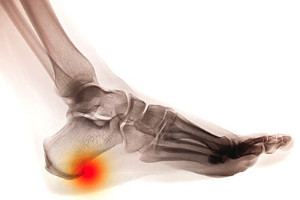 Patients who experience heel pain may be aware that this can be indicative of a heel spur. This is defined as a small piece of bone that grows on the inside of the heel and is often confused with plantar fasciitis. It can develop from a strained plantar fascia, which may be a result of wearing shoes that do not fit correctly. Common symptoms that often accompany heel spurs include pain and discomfort in the heel and surrounding areas, and it is often difficult to perform daily activities. Patients may find comfort in practicing specific foot stretches that can help to relax the tissues near the heel, and relief may be found when the affected foot is rested and elevated. It is strongly advised that you consult with a podiatrist who can determine the cause of existing heel pain, and offer correct treatment options for heel spurs.
Heel spurs can be incredibly painful and sometimes may make you unable to participate in physical activities. To get medical care for your heel spurs, contact Julie Jurd-Sadler, DPM from Progressive Podiatry. Our doctor will do everything possible to treat your condition.
Heels Spurs
Heel spurs are formed by calcium deposits on the back of the foot where the heel is. This can also be caused by small fragments of bone breaking off one section of the foot, attaching onto the back of the foot. Heel spurs can also be bone growth on the back of the foot and may grow in the direction of the arch of the foot.
Older individuals usually suffer from heel spurs and pain sometimes intensifies with age. One of the main condition's spurs are related to is plantar fasciitis.
Pain
The pain associated with spurs is often because of weight placed on the feet. When someone is walking, their entire weight is concentrated on the feet. Bone spurs then have the tendency to affect other bones and tissues around the foot. As the pain continues, the feet will become tender and sensitive over time.
Treatments
There are many ways to treat heel spurs. If one is suffering from heel spurs in conjunction with pain, there are several methods for healing. Medication, surgery, and herbal care are some options.
If you have any questions feel free to contact our offices located in Ijamsville and Mouth Airy, MD . We offer the latest in diagnostic and treatment technology to meet your needs.
Tuesday, 26 May 2020 00:00
Rheumatoid Arthritis and the Feet
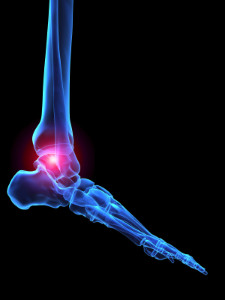 Rheumatoid arthritis is an inflammatory form of arthritis that can create complications with the feet. This condition may cause swelling within the joints of the feet, making it very painful to complete daily tasks. Other symptoms include joint stiffness, fatigue, muscle pain, and numbness. Some risk factors for developing rheumatoid arthritis include genetics, bacteria and viruses, physical trauma, and obesity. In order to treat this condition, it may be beneficial to visit a doctor for prescribed medication, partake in physical therapy, and in more severe cases, surgery. It’s been said that having a well balanced diet may help relieve some of the symptoms associated with this condition. For a proper diagnosis and advised treatment plan, it’s suggested that you consult with a podiatrist for professional care.
Arthritis can be a difficult condition to live with. If you are seeking treatment, contact Julie Jurd-Sadler, DPM from Progressive Podiatry. Our doctor can provide the care you need to keep you pain-free and on your feet.
Arthritic Foot Care
Arthritis is a term that is commonly used to describe joint pain. The condition itself can occur to anyone of any age, race, or gender, and there are over 100 types of it. Nevertheless, arthritis is more commonly found in women compared to men, and it is also more prevalent in those who are overweight. The causes of arthritis vary depending on which type of arthritis you have. Osteoarthritis for example, is often caused by injury, while rheumatoid arthritis is caused by a misdirected immune system.
Symptoms
- Swelling
- Pain
- Stiffness
- Decreased Range of Motion
Arthritic symptoms range in severity, and they may come and go. Some symptoms stay the same for several years but could potentially get worse with time. Severe cases of arthritis can prevent its sufferers from performing daily activities and make walking difficult.
Risk Factors
- Occupation – Occupations requiring repetitive knee movements have been linked to osteoarthritis
- Obesity – Excess weight can contribute to osteoarthritis development
- Infection – Microbial agents can infect the joints and trigger arthritis
- Joint Injuries – Damage to joints may lead to osteoarthritis
- Age – Risk increases with age
- Gender –Most types are more common in women
- Genetics – Arthritis can be hereditary
If you suspect your arthritis is affecting your feet, it is crucial that you see a podiatrist immediately. Your doctor will be able to address your specific case and help you decide which treatment method is best for you.
If you have any questions, please feel free to contact our offices located in Ijamsville and Mouth Airy, MD . We offer the newest diagnostic and treatment technologies for all your foot care needs.
Monday, 18 May 2020 00:00
How Does Plantar Hyperhidrosis Occur?
 Hyperhidrosis is the medical term that is used to define excessive sweating. Some patients have feet that sweat for the majority of the day, and this is referred to as plantar hyperhidrosis. It may happen as a result of anxiety, hormonal changes, or living in a hot environment. This condition may cause embarrassment during the day as the feet begin to slide in certain types of shoes. Additionally, rashes may develop, and there may be an odor coming from the feet. It is beneficial to wear shoes that are made of breathable materials, and comfort may be found when foot powder is frequently sprinkled in the shoes. If you have symptoms of plantar hyperhidrosis, it is strongly suggested that you consult with a podiatrist who can help you to manage this condition.
If you are suffering from hyperhidrosis contact Julie Jurd-Sadler, DPM of Progressive Podiatry. Our doctor can provide the care you need to attend to all of your foot and ankle needs.
Hyperhidrosis of the Feet
Hyperhidrosis is a rare disorder that can cause people to have excessive sweating of their feet. This can usually occur all on its own without rigorous activity involved. People who suffer from hyperhidrosis may also experience sweaty palms.
Although it is said that sweating is a healthy process meant to cool down the body temperature and to maintain a proper internal temperature, hyperhidrosis may prove to be a huge hindrance on a person’s everyday life.
Plantar hyperhidrosis is considered to be the main form of hyperhidrosis. Secondary hyperhidrosis can refer to sweating that occurs in areas other than the feet or hands and armpits. Often this may be a sign of it being related to another medical condition such as menopause, hyperthyroidism and even Parkinson’s disease.
In order to alleviate this condition, it is important to see your doctor so that they may prescribe the necessary medications so that you can begin to live a normal life again. If this is left untreated, it is said that it will persist throughout an individual’s life.
A last resort approach would be surgery, but it is best to speak with your doctor to find out what may be the best treatment for you.
If you have any questions please feel free to contact our offices located in Ijamsville and Mouth Airy, MD . We offer the newest diagnostic and treatment technologies for all your foot and ankle needs.
Saturday, 16 May 2020 00:00
Do You Suffer From Painful Feet?

Painful deformities, such as hammertoes, can be treated. Stop living with foot pain, and have beautiful feet again!
Monday, 11 May 2020 00:00
Possible Reasons Why Foot Pain Occurs
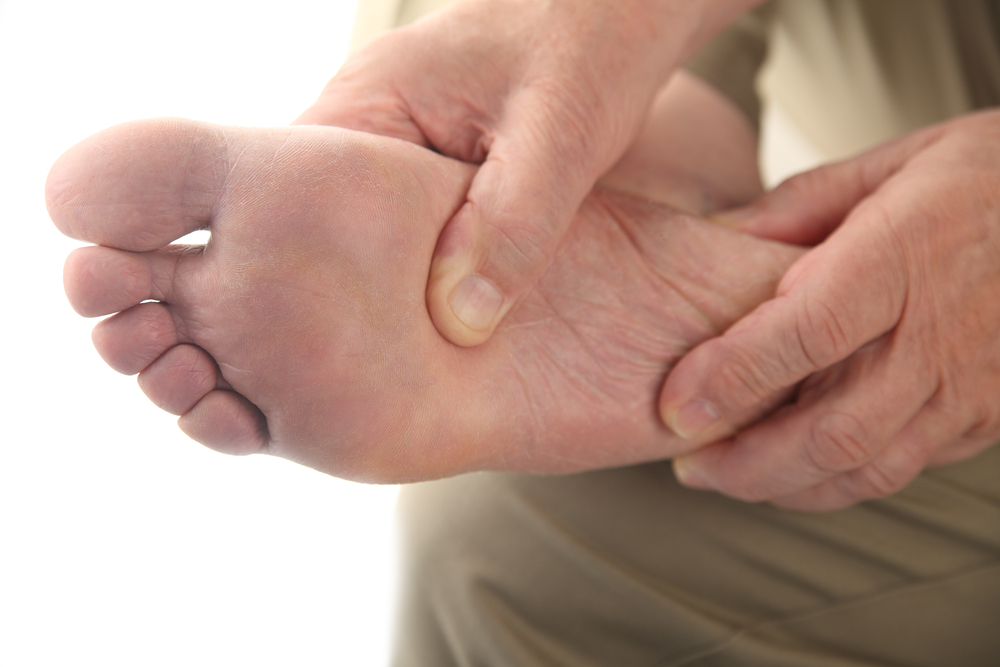
Foot pain is considered to be one of the most common conditions that is endured by many people. It can develop for a variety of reasons, including genetic traits, wearing shoes that do not fit correctly, or if an injury has occurred. A bunion is a deformity that is found on the side of the big toe, and may cause the toe to shift toward the other toes. Plantar fasciitis and heel spurs are characterized by severe or mild heel pain, and moderate relief may be found when specific stretches are performed. If the nerve between the third and fourth toes becomes inflamed, it may be indicative of Morton’s neuroma. There are several types of foot pain and numerous reasons for their causes, if you would like additional information about treatment options, it is strongly advised that you consult with a podiatrist.
Foot Pain
Foot pain can be extremely painful and debilitating. If you have a foot pain, consult with Julie Jurd-Sadler, DPM from Progressive Podiatry. Our doctor will assess your condition and provide you with quality foot and ankle treatment.
Causes
Foot pain is a very broad condition that could be caused by one or more ailments. The most common include:
- Bunions
- Hammertoes
- Plantar Fasciitis
- Bone Spurs
- Corns
- Tarsal Tunnel Syndrome
- Ingrown Toenails
- Arthritis (such as Gout, Rheumatoid, and Osteoarthritis)
- Flat Feet
- Injury (from stress fractures, broken toe, foot, ankle, Achilles tendon ruptures, and sprains)
- And more
Diagnosis
To figure out the cause of foot pain, podiatrists utilize several different methods. This can range from simple visual inspections and sensation tests to X-rays and MRI scans. Prior medical history, family medical history, and any recent physical traumatic events will all be taken into consideration for a proper diagnosis.
Treatment
Treatment depends upon the cause of the foot pain. Whether it is resting, staying off the foot, or having surgery; podiatrists have a number of treatment options available for foot pain.
If you have any questions, please feel free to contact our offices located in Ijamsville and Mouth Airy, MD . We offer the newest diagnostic and treatment technologies for all your foot care needs.
Monday, 04 May 2020 00:00
How Does Working on Your Feet Impact the Body?
 If you work in a profession that requires being on your feet for the majority of the day, it’s often likely you will experience some sort of foot pain. These professions may include nurses, teachers, waiters, and mail carriers, to name a few. Lower-limb muscle fatigue and achy feet are common symptoms of working on your feet for extended periods of time throughout the day. To find relief from the discomfort or pain, it may be beneficial to wear custom orthotics or insoles to help provide you with sufficient support and cushion. If your work requires you to be on your feet for several hours of the day, it’s suggested you consult with a podiatrist who can provide you with care and treatment for any associated foot pain you may be experiencing.
While working on the feet, it is important to take the proper care of them. For more information about working on your feet, contact Julie Jurd-Sadler, DPM from Progressive Podiatry. Our doctor will treat your foot and ankle needs.
Working on Your Feet
Standing on your feet for long periods of time can cause stress and pain in your feet. Your whole body may experience change in terms of posture, back pain, bunions, callouses and or plantar warts. There are ways to avoid these conditions with proper foot care, smart choices and correct posture.
Positive Changes
Negative heeled shoe – Choosing this shoe type places the heel slightly lower than the ball of the foot. These are great for overall foot health. Find shoes that fit you correctly.
Go barefoot – Our feet were not designed to be enclosed for all hours of the day. Try to periodically expose your feet to air.
Eliminate Pain
Foot Exercises – Performing simple exercises, incorporating yoga and doing stretches are beneficial. This will allow increased blood flow to the area and muscles of the foot.
Achilles tendon – Stretching the foot out flat on the floor will relax the calf muscles and tendon. These exercises can be performed almost anywhere. Make sure you add these exercises to your daily regimen.
With a little bit of this information and knowing more about foot health, you will notice changes. Foot stretches and proper footwear will help with pain and prevent further issues.
If you have any questions please feel free to contact our offices located in Ijamsville and Mouth Airy, MD . We offer the newest diagnostic and treatment technologies for all your foot and ankle needs.
Monday, 27 April 2020 00:00
Foot Pain and Morton’s Neuroma
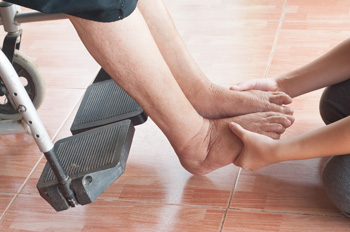 Morton’s neuroma is an uncomfortable foot condition that may develop for a number of reasons. One common cause of Morton’s neuroma is ill-fitting footwear. Those who wear shoes that restrict or constrain the toes may develop Morton’s neuroma. This condition is caused by a pinch nerve that creates a sharp, burning sensation that can be incredibly painful. Some patients that have had this condition describe experiencing feeling as if they are walking with a pebble stuck in their shoe. Most of the discomfort from this condition is felt in the ball of the foot or toe areas. To help find relief, it may be helpful to wear wider shoes. For professional advice on how to treat this condition, it’s suggested that you consult with a podiatrist.
Morton’s neuroma is a very uncomfortable condition to live with. If you think you have Morton’s neuroma, contact Julie Jurd-Sadler, DPM of Progressive Podiatry. Our doctor will attend to all of your foot care needs and answer any of your related questions.
Morton’s Neuroma
Morton's neuroma is a painful foot condition that commonly affects the areas between the second and third or third and fourth toe, although other areas of the foot are also susceptible. Morton’s neuroma is caused by an inflamed nerve in the foot that is being squeezed and aggravated by surrounding bones.
What Increases the Chances of Having Morton’s Neuroma?
- Ill-fitting high heels or shoes that add pressure to the toe or foot
- Jogging, running or any sport that involves constant impact to the foot
- Flat feet, bunions, and any other foot deformities
Morton’s neuroma is a very treatable condition. Orthotics and shoe inserts can often be used to alleviate the pain on the forefront of the feet. In more severe cases, corticosteroids can also be prescribed. In order to figure out the best treatment for your neuroma, it’s recommended to seek the care of a podiatrist who can diagnose your condition and provide different treatment options.
If you have any questions, please feel free to contact our offices located in Ijamsville and Mouth Airy, MD . We offer the newest diagnostic and treatment technologies for all your foot care needs.
Monday, 20 April 2020 00:00
How Contagious Is Toenail Fungus?
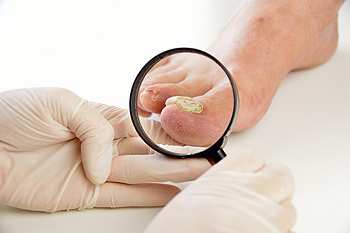 Toenail fungus is a contagious fungal skin infection that can be spread directly or indirectly. It is most commonly spread in warm, moist environments. These locations typically include public swimming pools, communal showers, gyms, and locker rooms. To help prevent obtaining a fungal infection, it may be beneficial to wear appropriate footwear when you are in these locations. Some symptoms of this condition may include discoloration of the affected toenail, thickening of the toenail, and in more severe cases, the toenail may become brittle and begin to break off. In order to safely treat a toenail fungal infection, it’s suggested that you consult with a podiatrist for professional care and advice.
For more information about treatment, contact Julie Jurd-Sadler, DPM of Progressive Podiatry. Our doctor can provide the care you need to keep you pain-free and on your feet.
Toenail Fungus Treatment
Toenail fungus is a condition that affects many people and can be especially hard to get rid of. Fortunately, there are several methods to go about treating and avoiding it.
Antifungals & Deterrence
Oral antifungal medicine has been shown to be effective in many cases. It is important to consult with a podiatrist to determine the proper regiment for you, or potentially explore other options.
Applying foot powder on the feet and shoes helps keep the feet free of moisture and sweat.
Sandals or open toed shoes – Wearing these will allow air movement and help keep feet dry. They also expose your feet to light, which fungus cannot tolerate. Socks with moisture wicking material also help as well.
If you have any questions please feel free to contact our offices located in Ijamsville and Mouth Airy, MD . We offer the newest diagnostic tools and technology to treat your foot and ankle needs.
Thursday, 16 April 2020 00:00
Arthritis Can Cause Pain in the Feet and Ankles

If you are suffering from tenderness, pain, or stiffness in the joints of your feet or ankles, call us to schedule an appointment.
More...
Monday, 13 April 2020 00:00
What is a Common Source of Heel Pain?
One common cause of heel pain is a foot condition known as a heel spur. With this condition, it’s common to notice redness and swelling around the affected heel. A heel spur is defined as a bone growth found in the heel, and it’s typically diagnosed by having an x-ray performed. The pain felt with this condition is usually noticed when one is walking, running, jogging, or partaking in other physical activities. To help ease the discomfort of this condition, it may be beneficial to rest the affected foot and to apply a cold compress on the heel. If you’re experiencing extreme pain in your heel, it’s important to get a professional diagnosis. It’s suggested that you speak with a podiatrist to help advise you on a proper treatment plan.
Heel spurs can be incredibly painful and sometimes may make you unable to participate in physical activities. To get medical care for your heel spurs, contact Julie Jurd-Sadler, DPM from Progressive Podiatry. Our doctor will do everything possible to treat your condition.
Heels Spurs
Heel spurs are formed by calcium deposits on the back of the foot where the heel is. This can also be caused by small fragments of bone breaking off one section of the foot, attaching onto the back of the foot. Heel spurs can also be bone growth on the back of the foot and may grow in the direction of the arch of the foot.
Older individuals usually suffer from heel spurs and pain sometimes intensifies with age. One of the main condition's spurs are related to is plantar fasciitis.
Pain
The pain associated with spurs is often because of weight placed on the feet. When someone is walking, their entire weight is concentrated on the feet. Bone spurs then have the tendency to affect other bones and tissues around the foot. As the pain continues, the feet will become tender and sensitive over time.
Treatments
There are many ways to treat heel spurs. If one is suffering from heel spurs in conjunction with pain, there are several methods for healing. Medication, surgery, and herbal care are some options.
If you have any questions feel free to contact our offices located in Ijamsville and Mouth Airy, MD . We offer the latest in diagnostic and treatment technology to meet your needs.
Monday, 06 April 2020 00:00
Possible Causes Of An Ingrown Toenail
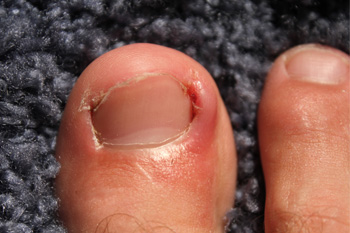 There are many people that suffer from a condition which is known as an ingrown toenail. Research has shown it generally does not cause harm, unless it becomes infected. This ailment can happen as a result of trimming the toenails incorrectly, or it may gradually develop from wearing shoes that do not have ample room for the toes to move freely in. A noticeable symptom can include swelling as the nail grows into the outer edges of the skin. Additionally, there may be a discharge that oozes from the affected nail, and this may add to existing pain and discomfort. Many patients have found mild relief when the affected nail is soaked in warm water, and this may be beneficial in softening the surrounding skin. If you have an ingrown toenail, please consult with a podiatrist who can guide you toward treatment options that are correct for you.
Ingrown toenails can become painful if they are not treated properly. For more information about ingrown toenails, contact Julie Jurd-Sadler, DPM of Progressive Podiatry. Our doctor can provide the care you need to keep you pain-free and on your feet.
Ingrown Toenails
Ingrown toenails occur when a toenail grows sideways into the bed of the nail, causing pain, swelling, and possibly infection.
Causes
- Bacterial infections
- Improper nail cutting such as cutting it too short or not straight across
- Trauma to the toe, such as stubbing, which causes the nail to grow back irregularly
- Ill-fitting shoes that bunch the toes too close together
- Genetic predisposition
Prevention
Because ingrown toenails are not something found outside of shoe-wearing cultures, going barefoot as often as possible will decrease the likeliness of developing ingrown toenails. Wearing proper fitting shoes and using proper cutting techniques will also help decrease your risk of developing ingrown toenails.
Treatment
Ingrown toenails are a very treatable foot condition. In minor cases, soaking the affected area in salt or antibacterial soaps will not only help with the ingrown nail itself, but also help prevent any infections from occurring. In more severe cases, surgery is an option. In either case, speaking to your podiatrist about this condition will help you get a better understanding of specific treatment options that are right for you.
If you have any questions please feel free to contact our offices located in Ijamsville and Mouth Airy, MD . We offer the newest diagnostic and treatment technologies for all your foot and ankle needs.
Monday, 30 March 2020 00:00
Where on the Feet Does a Plantar Wart Develop?
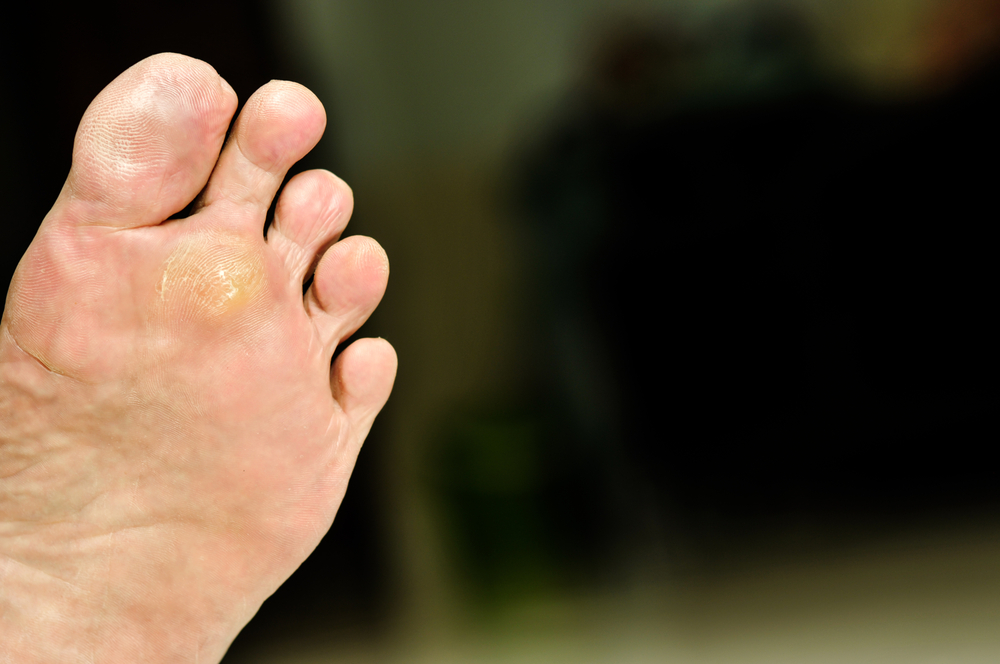 A wart that develops on the sole of the foot is commonly referred to as a plantar wart. Standing and walking may cause the wart to grow inward, which can produce severe pain and discomfort. It may happen from being exposed to the type of fungus that is known as human papillomavirus, which is also known as HPV. Mild relief may be found when a protective pad is worn over the wart, as this may help to provide adequate cushioning as daily activities are completed. For stubborn plantar warts that do not heal, it is suggested that you consult with a podiatrist who can perform the necessary medical procedures, which may include the use of prescription medicines.
Plantar warts can be very uncomfortable. If you need your feet checked, contact Julie Jurd-Sadler, DPM from Progressive Podiatry. Our doctor will assist you with all of your foot and ankle needs.
About Plantar Warts
Plantar warts are the result of HPV, or human papillomavirus, getting into open wounds on the feet. They are mostly found on the heels or balls of the feet.
While plantar warts are generally harmless, those experiencing excessive pain or those suffering from diabetes or a compromised immune system require immediate medical care. Plantar warts are easily diagnosed, usually through scraping off a bit of rough skin or by getting a biopsy.
Symptoms
- Lesions on the bottom of your feet, usually rough and grainy
- Hard or thick callused spots
- Wart seeds, which are small clotted blood vessels that look like little black spots
- Pain, discomfort, or tenderness of your feet when walking or standing
Treatment
- Freezing
- Electric tool removal
- Laser Treatment
- Topical Creams (prescription only)
- Over-the-counter medications
To help prevent developing plantar warts, avoid walking barefoot over abrasive surfaces that can cause cuts or wounds for HPV to get into. Avoiding direct contact with other warts, as well as not picking or rubbing existing warts, can help prevent the further spread of plantar warts. However, if you think you have developed plantar warts, speak to your podiatrist. He or she can diagnose the warts on your feet and recommend the appropriate treatment options.
If you have any questions please feel free to contact our offices located in Ijamsville and Mouth Airy, MD . We offer the newest diagnostic and treatment technologies for all your foot and ankle needs.
Monday, 23 March 2020 00:00
Is My Child Affected by Sever’s Disease?
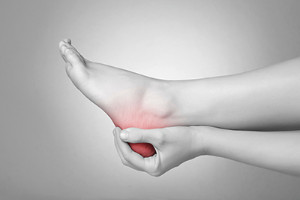 Children who participate in running and jumping activities may be susceptible to developing Sever’s disease. This condition can target young adolescents, and affects the growth plate in the heel. It can occur as a result of increased running activities, or during a growth spurt. Common symptoms that are associated with Sever’s disease can consist of pain and discomfort in the heel and surrounding area, and the Achilles tendon may become tight, possibly causing difficulty in walking. Research has indicated it may help to cease the activity that caused this condition, in addition to performing specific stretching exercises which may be beneficial in strengthening the affected foot. If your active child is exhibiting heel pain, it is suggested that you consult with a podiatrist who can properly treat this condition.
Sever's disease often occurs in children and teens. If your child is experiencing foot or ankle pain, see Julie Jurd-Sadler, DPM from Progressive Podiatry. Our doctor can treat your child’s foot and ankle needs.
Sever’s Disease
Sever’s disease is also known as calcaneal apophysitis, which is a medical condition that causes heel pain I none or both feet. The disease is known to affect children between the ages of 8 and 14.
Sever’s disease occurs when part of the child’s heel known as the growth plate (calcaneal epiphysis) is attached to the Achilles tendon. This area can suffer injury when the muscles and tendons of the growing foot do not keep pace with bone growth. Therefore, the constant pain which one experiences at the back of the heel will make the child unable to put any weight on the heel. The child is then forced to walk on their toes.
Symptoms
Acute pain – Pain associated with Sever’s disease is usually felt in the heel when the child engages in physical activity such as walking, jumping and or running.
Highly active – Children who are very active are among the most susceptible in experiencing Sever’s disease, because of the stress and tension placed on their feet.
If you have any questions, please feel free to contact our offices located in Ijamsville and Mouth Airy, MD . We offer the newest diagnostic and treatment technologies for all your foot and ankle injuries.
Blog Archives
- April 2025
- March 2025
- February 2025
- January 2025
- December 2024
- November 2024
- October 2024
- September 2024
- August 2024
- July 2024
- June 2024
- May 2024
- April 2024
- March 2024
- February 2024
- January 2024
- December 2023
- November 2023
- October 2023
- September 2023
- August 2023
- July 2023
- June 2023
- May 2023
- April 2023
- March 2023
- February 2023
- January 2023
- December 2022
- November 2022
- October 2022
- September 2022
- August 2022
- July 2022
- June 2022
- May 2022
- April 2022
- March 2022
- February 2022
- January 2022
- December 2021
- November 2021
- October 2021
- September 2021
- August 2021
- July 2021
- June 2021
- May 2021
- April 2021
- March 2021
- February 2021
- January 2021
- December 2020
- November 2020
- October 2020
- September 2020
- August 2020
- July 2020
- June 2020
- May 2020
- April 2020
- March 2020
- February 2020
- January 2020
- December 2019
- November 2019
