Connect With Us
Blog
Blog
Monday, 10 May 2021 00:00
How Shoes Affect Your Plantar Fascia
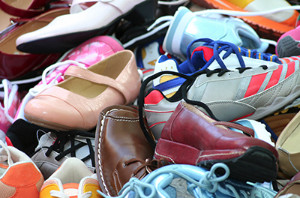
The connective tissue on the bottom of your feet between your heel and toes is called the plantar fascia. That tissue can become aggravated from overuse, wearing high heels or shoes that change the shape of your foot when you walk, being obese, aging, having certain medical conditions, or being born with flat feet or high arches. This aggravation is called plantar fasciitis, and is the most common form of heel pain. Proper footwear may help avoid plantar fasciitis or reduce pain if it has already developed. Your shoes should allow the natural movement of your foot, and have cushioning that supports pressure points—especially the heel, while being flexible and offering proper arch support. A podiatrist can recommend shoes and even orthotics that can help your individual foot structure, while offering various treatments to relieve the pain and discomfort of plantar fasciitis.
It is important to find shoes that fit you properly in order to avoid a variety of different foot problems. For more information about treatment, contact Julie Jurd-Sadler, DPM from Progressive Podiatry. Our doctor will treat your foot and ankle needs.
Proper Shoe Fitting
Shoes have many different functions. They cushion our body weight, protect our feet, and allow us to safely play sports. You should always make sure that the shoes you wear fit you properly in order to avoid injuries and deformities such as: bunions, corns, calluses, hammertoes, plantar fasciitis, stress fractures, and more. It is important to note that although a certain pair of shoes might be a great fit for someone else, that doesn’t mean they will be a great fit for you. This is why you should always try on shoes before buying them to make sure they are worth the investment. Typically, shoes need to be replaced ever six months to one year of regular use.
Tips for Proper Shoe Fitting
- Select a shoe that is shaped like your foot
- Don’t buy shoes that fit too tight, expecting them to stretch to fit
- Make sure there is enough space (3/8” to ½”) for your longest toe at the end of each shoe when you are standing up
- Walk in the shoes to make sure they fit and feel right
- Don’t select shoes by the size marked inside the shoe, but by how the shoe fits your foot
The shoes you buy should always feel as good as they look. Shoes that fit properly will last longer, feel better, and improve your way of life each day.
If you have any questions, please feel free to contact our offices located in Ijamsville and Mouth Airy, MD . We offer the newest diagnostic and treatment technologies for all your foot care needs.
Monday, 03 May 2021 00:00
Factors That Lead to Turf Toe
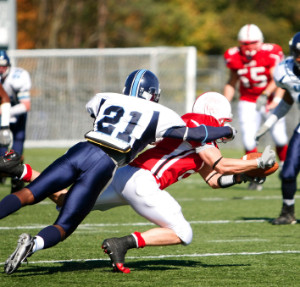 Turf toe is a very common sports injury, particularly among football players and soccer players. It occurs when the big toe joint is sprained because of a repetitive upward bending of the joint that often occurs from jamming the toe, or pushing off while jumping or running. Turf toe gets its name because it is especially common when playing on artificial turf, where the foot is more prone to sticking to the hard surface and becoming jammed. Turf toe is commonly indicated by pain, swelling, and limited joint movement in the big toe. Treatment generally consists of rest, ice, compression and elevation, but severe cases may require surgery. Athletes who are experiencing these symptoms should consult with a podiatrist for a proper diagnosis and treatment.
Sports related foot and ankle injuries require proper treatment before players can go back to their regular routines. For more information, contact Julie Jurd-Sadler, DPM of Progressive Podiatry. Our doctor can provide the care you need to keep you pain-free and on your feet.
Sports Related Foot and Ankle Injuries
Foot and ankle injuries are a common occurrence when it comes to athletes of any sport. While many athletes dismiss the initial aches and pains, the truth is that ignoring potential foot and ankle injuries can lead to serious problems. As athletes continue to place pressure and strain the area further, a mild injury can turn into something as serious as a rupture and may lead to a permanent disability. There are many factors that contribute to sports related foot and ankle injuries, which include failure to warm up properly, not providing support or wearing bad footwear. Common injuries and conditions athletes face, including:
- Plantar Fasciitis
- Plantar Fasciosis
- Achilles Tendinitis
- Achilles Tendon Rupture
- Ankle Sprains
Sports related injuries are commonly treated using the RICE method. This includes rest, applying ice to the injured area, compression and elevating the ankle. More serious sprains and injuries may require surgery, which could include arthroscopic and reconstructive surgery. Rehabilitation and therapy may also be required in order to get any recovering athlete to become fully functional again. Any unusual aches and pains an athlete sustains must be evaluated by a licensed, reputable medical professional.
If you have any questions please feel free to contact our offices located in Ijamsville and Mouth Airy, MD . We offer the newest diagnostic and treatment technologies for all your foot and ankle needs.
Monday, 26 April 2021 00:00
Different Types of Foot Wounds
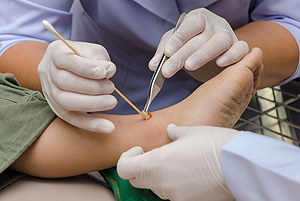 Foot wounds are open cuts or sores that form on the feet. There are several different types of foot wounds. Diabetic foot ulcers (DFUs) occur due to diabetes or diabetic neuropathy. They can appear anywhere on the foot, but often appear on the big toes, balls of the feet, and the heels. These wounds typically heal slowly and poorly. Venous stasis ulcers appear on the ankles or legs due to vein damage. Arterial ulcers are caused by arterial insufficiency or poor circulation, and usually occur between or on the tips of the toes and along the outer ankles. A pressure ulcer is caused by foot immobility or by wearing improper shoes. They are usually seen on the heels or ankles. If you have any wounds on your feet, it is strongly suggested that you seek the care of a podiatrist.
Wound care is an important part in dealing with diabetes. If you have diabetes and a foot wound or would like more information about wound care for diabetics, consult with Julie Jurd-Sadler, DPM from Progressive Podiatry. Our doctor will assess your condition and provide you with quality foot and ankle treatment.
What Is Wound Care?
Wound care is the practice of taking proper care of a wound. This can range from the smallest to the largest of wounds. While everyone can benefit from proper wound care, it is much more important for diabetics. Diabetics often suffer from poor blood circulation which causes wounds to heal much slower than they would in a non-diabetic.
What Is the Importance of Wound Care?
While it may not seem apparent with small ulcers on the foot, for diabetics, any size ulcer can become infected. Diabetics often also suffer from neuropathy, or nerve loss. This means they might not even feel when they have an ulcer on their foot. If the wound becomes severely infected, amputation may be necessary. Therefore, it is of the upmost importance to properly care for any and all foot wounds.
How to Care for Wounds
The best way to care for foot wounds is to prevent them. For diabetics, this means daily inspections of the feet for any signs of abnormalities or ulcers. It is also recommended to see a podiatrist several times a year for a foot inspection. If you do have an ulcer, run the wound under water to clear dirt from the wound; then apply antibiotic ointment to the wound and cover with a bandage. Bandages should be changed daily and keeping pressure off the wound is smart. It is advised to see a podiatrist, who can keep an eye on it.
If you have any questions, please feel free to contact our offices located in Ijamsville and Mouth Airy, MD . We offer the newest diagnostic and treatment technologies for all your foot care needs.
Monday, 19 April 2021 00:00
Easing the Growing Pains of Sever’s Disease
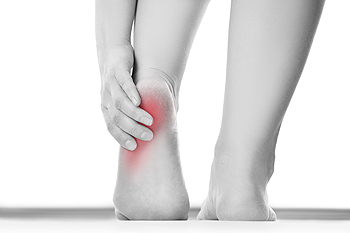
Sever’s Disease may be considered by some to be a “growing pain” of sorts for several reasons. First, it occurs in growing children when the Achilles tendon that attaches to the heel repeatedly pulls at the growth plate located there—causing pain and inflammation. Second, growth spurts (when bones grow more rapidly than tendons) can exacerbate the condition. Third, it usually goes away when the child has finished growing and the growth plate has closed. Children with Sever’s Disease can experience pain in one or both heels—particularly upon waking and after physical activity such as running or jumping, or putting pressure on the heel. Parents can try to help ease their child’s heel pain by making them rest, icing the heel, having them do stretching exercises to loosen calf muscles, giving them anti-inflammatory medicine, and stopping them from going barefoot. If pain persists, a podiatrist will be able to offer additional information and pain relief therapies.
Sever's disease often occurs in children and teens. If your child is experiencing foot or ankle pain, see Julie Jurd-Sadler, DPM from Progressive Podiatry. Our doctor can treat your child’s foot and ankle needs.
Sever’s Disease
Sever’s disease is also known as calcaneal apophysitis, which is a medical condition that causes heel pain I none or both feet. The disease is known to affect children between the ages of 8 and 14.
Sever’s disease occurs when part of the child’s heel known as the growth plate (calcaneal epiphysis) is attached to the Achilles tendon. This area can suffer injury when the muscles and tendons of the growing foot do not keep pace with bone growth. Therefore, the constant pain which one experiences at the back of the heel will make the child unable to put any weight on the heel. The child is then forced to walk on their toes.
Symptoms
Acute pain – Pain associated with Sever’s disease is usually felt in the heel when the child engages in physical activity such as walking, jumping and or running.
Highly active – Children who are very active are among the most susceptible in experiencing Sever’s disease, because of the stress and tension placed on their feet.
If you have any questions, please feel free to contact our offices located in Ijamsville and Mouth Airy, MD . We offer the newest diagnostic and treatment technologies for all your foot and ankle injuries.
Friday, 16 April 2021 00:00
Heel Pain Can Be Treated!
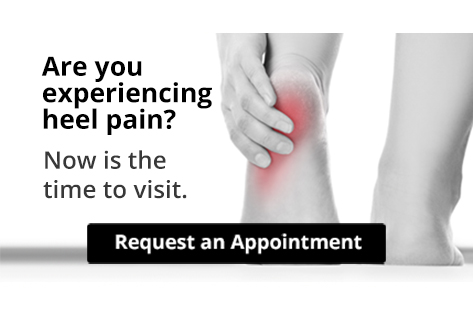
Do you suffer from heel pain when you get up in the morning? If so, you should seek professional help and have a proper diagnosis performed. Heel pain can be caused by several different foot-related conditions.
Monday, 12 April 2021 00:00
Two Tiny Bones and a Big Toe
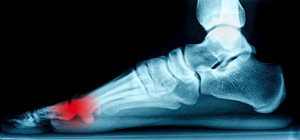
Sesamoids are tiny bones located within tendons that connect to muscles—as opposed to most bones which link to one another via joints. The patella, or kneecap, is the largest sesamoid, while the two sesamoids on the bottom of the feet near the big toe (the tibial and the fibular) are pea-sized. Despite their small size, these two sesamoids bear the body’s weight and the tendons they are attached to can become inflamed if they are overly stressed from high heels or activities such as ballet, basketball, or running. This condition is called sesamoiditis and can cause gradually-worsening pain under the ball of the foot, and popping sensations or difficulty bending the big toe. If you experience any of these symptoms, a podiatrist can thoroughly examine you and may utilize an X-ray, bone scan, MRI or ultrasound to determine if you have sesamoiditis. Treatment may involve lifestyle or footwear modifications, medications, or orthotics. Severe cases of sesamoiditis that do not respond to traditional treatment may require surgery.
Sesamoiditis is an unpleasant foot condition characterized by pain in the balls of the feet. If you think you’re struggling with sesamoiditis, contact Julie Jurd-Sadler, DPM of Progressive Podiatry. Our doctor will treat your condition thoroughly and effectively.
Sesamoiditis
Sesamoiditis is a condition of the foot that affects the ball of the foot. It is more common in younger people than it is in older people. It can also occur with people who have begun a new exercise program, since their bodies are adjusting to the new physical regimen. Pain may also be caused by the inflammation of tendons surrounding the bones. It is important to seek treatment in its early stages because if you ignore the pain, this condition can lead to more serious problems such as severe irritation and bone fractures.
Causes of Sesamoiditis
- Sudden increase in activity
- Increase in physically strenuous movement without a proper warm up or build up
- Foot structure: those who have smaller, bonier feet or those with a high arch may be more susceptible
Treatment for sesamoiditis is non-invasive and simple. Doctors may recommend a strict rest period where the patient forgoes most physical activity. This will help give the patient time to heal their feet through limited activity. For serious cases, it is best to speak with your doctor to determine a treatment option that will help your specific needs.
If you have any questions please feel free to contact our offices located in Ijamsville and Mouth Airy, MD . We offer the newest diagnostic and treatment technologies for all your foot and ankle needs.
Monday, 05 April 2021 00:00
Is There a Cure for My Sweaty Feet?
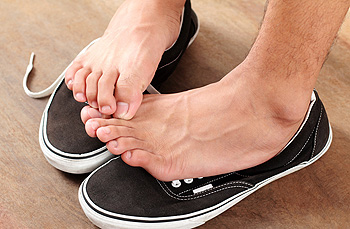
With over 125,000 sweat glands in the feet, it’s no wonder that everyone’s feet sweat occasionally. However, if you experience persistently slimy feet and struggle to keep them dry throughout the day, you may have plantar hyperhidrosis. This unpleasant and uncomfortable condition can also cause other embarrassing problems like foot odor and toenail fungus. You can try to manage plantar hyperhidrosis by washing your feet often, wearing cotton or moisture-absorbing socks, soaking your feet in black tea, applying anti-fungal powders or antiperspirant, and staying hydrated. If these home remedies don’t offer relief, you may consider contacting a podiatrist who can offer an array of medical treatments and procedures to help your condition.
If you are suffering from hyperhidrosis contact Julie Jurd-Sadler, DPM of Progressive Podiatry. Our doctor can provide the care you need to attend to all of your foot and ankle needs.
Hyperhidrosis of the Feet
Hyperhidrosis is a rare disorder that can cause people to have excessive sweating of their feet. This can usually occur all on its own without rigorous activity involved. People who suffer from hyperhidrosis may also experience sweaty palms.
Although it is said that sweating is a healthy process meant to cool down the body temperature and to maintain a proper internal temperature, hyperhidrosis may prove to be a huge hindrance on a person’s everyday life.
Plantar hyperhidrosis is considered to be the main form of hyperhidrosis. Secondary hyperhidrosis can refer to sweating that occurs in areas other than the feet or hands and armpits. Often this may be a sign of it being related to another medical condition such as menopause, hyperthyroidism and even Parkinson’s disease.
In order to alleviate this condition, it is important to see your doctor so that they may prescribe the necessary medications so that you can begin to live a normal life again. If this is left untreated, it is said that it will persist throughout an individual’s life.
A last resort approach would be surgery, but it is best to speak with your doctor to find out what may be the best treatment for you.
If you have any questions please feel free to contact our offices located in Ijamsville and Mouth Airy, MD . We offer the newest diagnostic and treatment technologies for all your foot and ankle needs.
Monday, 29 March 2021 00:00
Obese Children May Have Flatter Feet
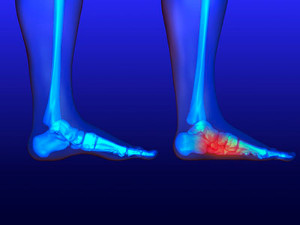 Flat feet is a condition in which there is no visible arch in the feet when the feet bear weight. While all babies are born with flat feet, in most children, the arch will develop slowly over time. However, obese children have been found to be more likely to retain their flat feet. This can be due to lowered arches caused by the excess strain that being overweight places on the feet, in addition to the extra fat padding found on the soles of obese children’s feet. Flat feet sometimes cause foot and ankle pain and can also contribute to back pain as children age. If your child has flat feet and complains of foot pain, please consult with a podiatrist.
The more you weigh, the harder your feet must work to support your body. If you’re an obese individual and are concerned about your feet, contact Julie Jurd-Sadler, DPM from Progressive Podiatry. Our doctor can provide the care you need to keep you pain-free and on your feet.
Obesity and Your Feet
People who are overweight are putting more pressure on their ankles, knees, and hips as well as their feet. This unfortunately can lead to variety of different issues.
Problems & Complications Stemming from Obesity
- When the body is overweight, it tries to compensate by changing the way that it moves. An obese person may lean forward and put extra weight on the wrong part of the foot. This puts unnecessary stress on the feet.
- Obese people are also more likely to develop type II diabetes which is a condition that causes a lot of foot problems. People with diabetes often don’t feel the cuts and sores that they may have on their feet, which can lead to more complicated and severe issues.
- Plantar fasciitis is another foot condition that can be caused by obesity. Plantar fasciitis is an inflammation of the tissue along the bottom of the foot, which causes pain and stiffness while walking and climbing stairs.
If you have any questions, please feel free to contact our offices located in Ijamsville and Mouth Airy, MD . We offer the newest diagnostic and treatment technologies for all your foot care needs.
Wednesday, 17 March 2021 00:00
Plantar Warts Can Be Treated!

Plantar warts are small growths that develop on parts of the feet that bear weight. They're typically found on the bottom of the foot. Don't live with plantar warts, and call us today!
Monday, 22 March 2021 00:00
Finding Shoes for Speed Walking
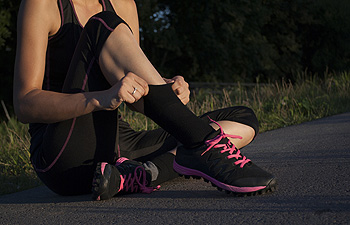
While many specialty shoe stores emphasize their running shoes, you do not actually need to be a seasoned runner, or even a runner at all, to wear running shoes. Those who prefer to walk for exercise, and especially those who like to speed walk, may find that their shoe needs are best met with running shoes. Running shoes are built to be stable and comfortable. You will also want to look for shoes that are flexible and have adequate cushioning. Shoes that match your gait are also suggested. You can have your gait assessed at some shoe stores, or by a podiatrist. For more information about finding the right shoes for all of your physical fitness needs, please consult with a podiatrist.
For more information about walking shoes versus running shoes, consult with Julie Jurd-Sadler, DPM from Progressive Podiatry. Our doctor can measure your feet to determine what your needs are and help you find an appropriate pair of footwear.
Foot Health: The Differences between Walking & Running Shoes
There are great ways to stay in shape: running and walking are two great exercises to a healthy lifestyle. It is important to know that running shoes and walking shoes are not interchangeable. There is a key difference on how the feet hit the ground when someone is running or walking. This is why one should be aware that a shoe is designed differently for each activity.
You may be asking yourself what the real differences are between walking and running shoes and the answers may shock you.
Differences
Walking doesn’t involve as much stress or impact on the feet as running does. However, this doesn’t mean that you should be any less prepared. When you’re walking, you land on your heels and have your foot roll forward. This rolling motion requires additional support to the feet.
Flexibility – Walking shoes are designed to have soft, flexible soles. This allows the walker to push off easily with each step.
If you have any questions, please feel free to contact our offices located in Ijamsville and Mouth Airy, MD . We offer the newest diagnostic and treatment technologies for all your foot care needs.
More...
Monday, 15 March 2021 00:00
Should Babies Wear Shoes While Indoors?
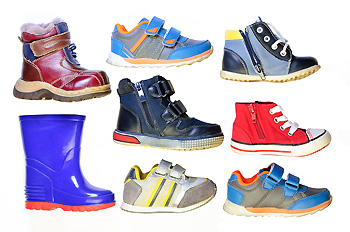
As babies learn and begin to walk, their feet become stronger. Gradually, the soft tissues the feet are composed of will strengthen and become able to support the body’s weight. Crawling starts before walking, and this helps to build the arches. The majority of babies are born with flat feet, and the arches fully develop as the child approaches puberty. It is beneficial for babies to refrain from wearing shoes while indoors. This can help to strengthen the overall foot as the toes grasp the floor. As the child walks outdoors, it is important to choose shoes that fit correctly. This can be accomplished by properly measuring the feet, which can determine what size shoe should be purchased. If you would like more information about the health of children’s feet, please consult with a podiatrist.
Making sure that your children maintain good foot health is very important as they grow. If you have any questions, contact Julie Jurd-Sadler, DPM of Progressive Podiatry. Our doctor can provide the care you need to keep you pain-free and on your feet.
Keeping Children's Feet Healthy
Having healthy feet during childhood can help prevent medical problems later in life, namely in the back and legs. As children grow, their feet require different types of care. Here are some things to consider...
Although babies do not walk yet, it is still very important to take care of their feet.
Avoid putting tight shoes or socks on his or her feet.
Allow the baby to stretch and kick his or her feet to feel comfortable.
As a toddler, kids are now on the move and begin to develop differently. At this age, toddlers are getting a feel for walking, so don’t be alarmed if your toddler is unsteady or ‘walks funny’.
As your child gets older, it is important to teach them how to take care of their feet.
Show them proper hygiene to prevent infections such as fungus.
Be watchful for any pain or injury.
Have all injuries checked by a doctor as soon as possible.
Comfortable, protective shoes should always be worn, especially at play.
If you have any questions please feel free to contact our offices located in Ijamsville and Mouth Airy, MD . We offer the newest diagnostic and treatment technologies for all your foot and ankle needs.
Monday, 08 March 2021 00:00
A Podiatrist Can Help Find the Source of Heel Pain
Heel pain can be debilitating, and can cause discomfort to your everyday routine. Heel pain can have a variety of different sources, and patients who are suffering from heel pain should visit with a podiatrist to find the cause of their pain. The most common cause of heel pain is plantar fasciitis. This is a condition that occurs as a result of inflammation to the plantar fascia, which is the band of tissue that runs along the bottom of the foot. Other potential sources of heel pain can include arthritis, an Achilles tendon injury, a stress fracture, or fat pad atrophy. While the treatment methods can vary for each of these conditions, a podiatrist will be able to provide a diagnosis and proper treatment methods to help alleviate your heel pain.
Many people suffer from bouts of heel pain. For more information, contact Julie Jurd-Sadler, DPM of Progressive Podiatry. Our doctor can provide the care you need to keep you pain-free and on your feet.
Causes of Heel Pain
Heel pain is often associated with plantar fasciitis. The plantar fascia is a band of tissues that extends along the bottom of the foot. A rip or tear in this ligament can cause inflammation of the tissue.
Achilles tendonitis is another cause of heel pain. Inflammation of the Achilles tendon will cause pain from fractures and muscle tearing. Lack of flexibility is also another symptom.
Heel spurs are another cause of pain. When the tissues of the plantar fascia undergo a great deal of stress, it can lead to ligament separation from the heel bone, causing heel spurs.
Why Might Heel Pain Occur?
- Wearing ill-fitting shoes
- Wearing non-supportive shoes
- Weight change
- Excessive running
Treatments
Heel pain should be treated as soon as possible for immediate results. Keeping your feet in a stress-free environment will help. If you suffer from Achilles tendonitis or plantar fasciitis, applying ice will reduce the swelling. Stretching before an exercise like running will help the muscles. Using all these tips will help make heel pain a condition of the past.
If you have any questions please contact our offices located in Ijamsville and Mouth Airy, MD . We offer the newest diagnostic and treatment technologies for all your foot and ankle needs.
Monday, 01 March 2021 00:00
Do I Have a Plantar Wart?
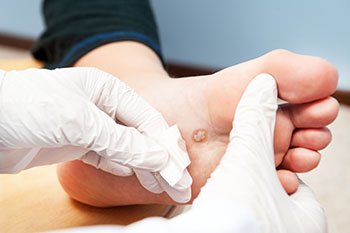 Plantar warts are a small growth on the sole of the foot. They grow because of the human papillomavirus (HPV) that infects the foot through small cracks in the skin. These growths usually form in weight bearing areas, and they usually appear flat. Plantar warts can often look grainy and somewhat rough, and can also be indicated by black dots that are often small clots, pain or tenderness while standing or walking, and thickened hard skin over the wart. If you have a plantar wart, please consult with a podiatrist. A podiatrist will be able to suggest treatments such as cryotherapy, laser treatment, prescriptions or surgery
Plantar warts can be very uncomfortable. If you need your feet checked, contact Julie Jurd-Sadler, DPM from Progressive Podiatry. Our doctor will assist you with all of your foot and ankle needs.
About Plantar Warts
Plantar warts are the result of HPV, or human papillomavirus, getting into open wounds on the feet. They are mostly found on the heels or balls of the feet.
While plantar warts are generally harmless, those experiencing excessive pain or those suffering from diabetes or a compromised immune system require immediate medical care. Plantar warts are easily diagnosed, usually through scraping off a bit of rough skin or by getting a biopsy.
Symptoms
- Lesions on the bottom of your feet, usually rough and grainy
- Hard or thick callused spots
- Wart seeds, which are small clotted blood vessels that look like little black spots
- Pain, discomfort, or tenderness of your feet when walking or standing
Treatment
- Freezing
- Electric tool removal
- Laser Treatment
- Topical Creams (prescription only)
- Over-the-counter medications
To help prevent developing plantar warts, avoid walking barefoot over abrasive surfaces that can cause cuts or wounds for HPV to get into. Avoiding direct contact with other warts, as well as not picking or rubbing existing warts, can help prevent the further spread of plantar warts. However, if you think you have developed plantar warts, speak to your podiatrist. He or she can diagnose the warts on your feet and recommend the appropriate treatment options.
If you have any questions please feel free to contact our offices located in Ijamsville and Mouth Airy, MD . We offer the newest diagnostic and treatment technologies for all your foot and ankle needs.
Monday, 22 February 2021 00:00
What Are Common Running Injuries?
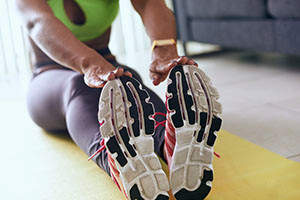 The benefits of incorporating running into a frequent routine can include burning excess calories and toning the body. Despite the benefits people may experience from running, there are a variety of foot injuries that can occur. These can include black toenails, which can happen from the nail consistently hitting the top of the shoe. This can cause bleeding underneath the toenail, and the nail may gradually fall off. Additionally, plantar fasciitis can result from wearing shoes that do not fit correctly, or from running on uneven surfaces. Patients may develop blisters and heel spurs, which can make it painful to run. If you would like more information about how to prevent running injuries, it is recommended that you confer with a podiatrist who can address any concerns that you may have.
Exercising your feet regularly with the proper foot wear is a great way to prevent injuries. If you have any concerns about your feet, contact Julie Jurd-Sadler, DPM of Progressive Podiatry. Our doctor will treat your foot and ankle needs.
How to Prevent Running Injuries
Many common running injuries are caused by overuse and overtraining. When the back of the kneecap starts wearing out and starts causing pain in your knee, this is commonly referred to as runner’s knee. Runner’s knee is a decrease in strength in your quadriceps and can occur if you’re not wearing properly fitted or supporting shoes. To prevent runner’s knee, focusing on hip strengthening is a good idea, as well as strengthening your quads to keep the kneecaps aligned.
What Are Some Causes of Running Injuries?
- One cause of a common running injury is called iliotibial band syndrome.
- Plantar fasciitis is also another common injury.
- Stress fractures can occur from overtraining, lack of calcium, or even your running style.
Best Ways to Prevent Running Injuries
- Wear footwear that fits properly and suits your running needs.
- Running shoes are the only protective gear that runners have to safeguard them from injury.
- Make a training schedule. Adding strengthening exercises as well as regular stretching can help keep you strong and limber and can lessen the possibility of injuries.
- Stretching keeps muscles limber; this will help you gain better flexibility.
If you have any questions please feel free to contact our offices located in Ijamsville and Mouth Airy, MD . We offer the newest diagnostic and treatment technologies for all your foot and ankle needs.
Blog Archives
- April 2025
- March 2025
- February 2025
- January 2025
- December 2024
- November 2024
- October 2024
- September 2024
- August 2024
- July 2024
- June 2024
- May 2024
- April 2024
- March 2024
- February 2024
- January 2024
- December 2023
- November 2023
- October 2023
- September 2023
- August 2023
- July 2023
- June 2023
- May 2023
- April 2023
- March 2023
- February 2023
- January 2023
- December 2022
- November 2022
- October 2022
- September 2022
- August 2022
- July 2022
- June 2022
- May 2022
- April 2022
- March 2022
- February 2022
- January 2022
- December 2021
- November 2021
- October 2021
- September 2021
- August 2021
- July 2021
- June 2021
- May 2021
- April 2021
- March 2021
- February 2021
- January 2021
- December 2020
- November 2020
- October 2020
- September 2020
- August 2020
- July 2020
- June 2020
- May 2020
- April 2020
- March 2020
- February 2020
- January 2020
- December 2019
- November 2019
