Connect With Us
Blog
Items filtered by date: December 2019
Monday, 30 December 2019 00:00
Simple Foot Care May Prevent Painful Conditions
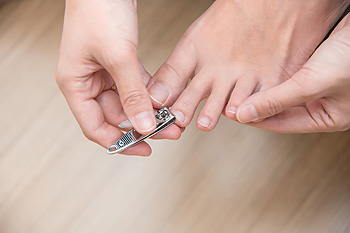 When the feet are cared for properly and on a regular basis, uncomfortable foot conditions may be prevented. There are routines that are easy to follow which can help assure the feet stay in optimum condition. These can include washing and drying the feet thoroughly, followed by using a good moisturizer. Additionally, when the toenails are trimmed, it is best to cut the nails straight across instead of at an angle. This may be helpful in preventing ingrown toenails from developing. Despite the fact that many people like to wear high heels, research has indicated it is beneficial to wear them for limited times, in addition to alternating them with shoes that have a lower heel. Athlete’s foot may be avoided when appropriate shoes are worn in public shower rooms, and surrounding areas. If you would like more information about how to properly care for your feet on an everyday basis, please consult with a podiatrist.
Everyday foot care is very important to prevent infection and other foot ailments. If you need your feet checked, contact Julie Jurd-Sadler, DPM from Progressive Podiatry. Our doctor can provide the care you need to keep you pain-free and on your feet.
Everyday Foot Care
Often, people take care of their bodies, face and hair more so than they do for their feet. But the feet are a very important aspect of our bodies, and one that we should pay more attention to. Without our feet, we would not be able to perform most daily tasks.
It is best to check your feet regularly to make sure there are no new bruises or cuts that you may not have noticed before. For dry feet, moisturizer can easily be a remedy and can be applied as often as necessary to the affected areas. Wearing shoes that fit well can also help you maintain good foot health, as well as making it easier to walk and do daily activities without the stress or pain of ill-fitting shoes, high heels, or even flip flops. Wearing clean socks with closed shoes is important to ensure that sweat and bacteria do not accumulate within the shoe. Clean socks help to prevent Athlete’s foot, fungi problems, bad odors, and can absorb sweat.
If you have any questions please feel free to contact our offices located in Ijamsville and Mouth Airy, MD . We offer the newest diagnostic and treatment technologies for all your foot and ankle needs.
Published in Blog
Monday, 23 December 2019 00:00
Diabetes and Foot Ulcers
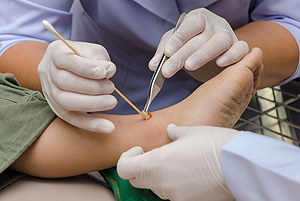 Wound care is generally a familiar concern for diabetic patients. When the insulin levels are elevated for an extended period of time, there may be a loss of feeling as a result of neuropathy. A small cut or scrape on the foot may have the potential of developing into a dangerous wound, and prompt treatment is necessary in possibly preventing a painful foot ulcer. Proper treatment may begin with cleaning the affected area thoroughly, followed by applying an antibiotic cream. It is important the wound is covered, and this may help to prevent bacteria from multiplying at the site of the foot ulcer. If you are affected by diabetes, it is strongly suggested that you are under the care of a podiatrist who can help this condition.
Wound care is an important part in dealing with diabetes. If you have diabetes and a foot wound or would like more information about wound care for diabetics, consult with Julie Jurd-Sadler, DPM from Progressive Podiatry. Our doctor will assess your condition and provide you with quality foot and ankle treatment.
What Is Wound Care?
Wound care is the practice of taking proper care of a wound. This can range from the smallest to the largest of wounds. While everyone can benefit from proper wound care, it is much more important for diabetics. Diabetics often suffer from poor blood circulation which causes wounds to heal much slower than they would in a non-diabetic.
What Is the Importance of Wound Care?
While it may not seem apparent with small ulcers on the foot, for diabetics, any size ulcer can become infected. Diabetics often also suffer from neuropathy, or nerve loss. This means they might not even feel when they have an ulcer on their foot. If the wound becomes severely infected, amputation may be necessary. Therefore, it is of the upmost importance to properly care for any and all foot wounds.
How to Care for Wounds
The best way to care for foot wounds is to prevent them. For diabetics, this means daily inspections of the feet for any signs of abnormalities or ulcers. It is also recommended to see a podiatrist several times a year for a foot inspection. If you do have an ulcer, run the wound under water to clear dirt from the wound; then apply antibiotic ointment to the wound and cover with a bandage. Bandages should be changed daily and keeping pressure off the wound is smart. It is advised to see a podiatrist, who can keep an eye on it.
If you have any questions, please feel free to contact our offices located in Ijamsville and Mouth Airy, MD . We offer the newest diagnostic and treatment technologies for all your foot care needs.
Published in Blog
Wednesday, 18 December 2019 00:00
Heel Pain Can Be Treated!

Do you suffer from heel pain when you get up in the morning? If so, you should seek the professional help of your podiatrist and have a proper diagnosis performed. Heel pain can be caused by several different foot-related conditions.
Published in Blog
Monday, 16 December 2019 00:00
How Does Gout Occur?
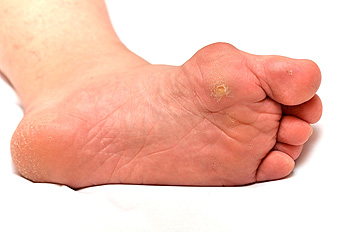 A condition that causes the big toe to become painful may be referred to as gout. Additional symptoms can include swelling, redness, and extreme discomfort. Patients who are afflicted with gout may find that their toe is so painful, it may be uncomfortable to have anything touch it. This condition is generally caused by elevated uric acid levels in the bloodstream. This can occur as a result of genetic factors, or by ingesting foods that have high purine levels. These can include shellfish, red meat, alcohol, and foods and drinks that have large amounts of sugar. There are measures that can be implemented which may help to prevent painful gout attacks. These typically consist of incorporating healthy eating habits into your daily routine, and practicing a gentle exercise regime. If you feel you have developed gout, it is strongly suggested that you consult with a podiatrist who can properly treat this condition.
Gout is a foot condition that requires certain treatment and care. If you are seeking treatment, contact Julie Jurd-Sadler, DPM from Progressive Podiatry. Our doctor will treat your foot and ankle needs.
What Is Gout?
Gout is a type of arthritis caused by a buildup of uric acid in the bloodstream. It often develops in the foot, especially the big toe area, although it can manifest in other parts of the body as well. Gout can make walking and standing very painful and is especially common in diabetics and the obese.
People typically get gout because of a poor diet. Genetic predisposition is also a factor. The children of parents who have had gout frequently have a chance of developing it themselves.
Gout can easily be identified by redness and inflammation of the big toe and the surrounding areas of the foot. Other symptoms include extreme fatigue, joint pain, and running high fevers. Sometimes corticosteroid drugs can be prescribed to treat gout, but the best way to combat this disease is to get more exercise and eat a better diet.
If you have any questions please feel free to contact our offices located in Ijamsville and Mouth Airy, MD . We offer the newest diagnostic and treatment technologies for all your foot and ankle needs.
Published in Blog
Monday, 09 December 2019 00:00
Achilles Tendon Injuries Require Rest
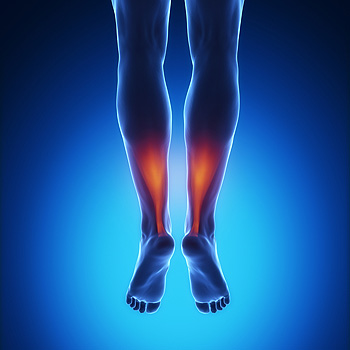 The Achilles tendon is considered to be the strongest tendon in the body. It is located in the back of the leg, and its function is to connect the calf muscles to the heel. If this tendon becomes damaged as a result of overuse, a torn Achilles tendon or tendonitis may develop. This type of injury can cause severe pain and discomfort, and it may be difficult to walk. Research has indicated it is important to perform a proper warm up before starting any running or jumping activity, as this may be helpful in preventing Achilles tendon injuries. If you have endured this type of injury, it may be beneficial to elevate the affected leg, to help reduce swelling. Additionally, it is imperative that the activity is temporarily stopped that caused the injury, and then possibly resumed at a gentler pace when the healing process is completed. If you feel you have injured your Achilles tendon, it is advised that you schedule an appointment with a podiatrist who can properly treat this type of injury.
Achilles tendon injuries need immediate attention to avoid future complications. If you have any concerns, contact Julie Jurd-Sadler, DPM of Progressive Podiatry. Our doctor can provide the care you need to keep you pain-free and on your feet.
What Is the Achilles Tendon?
The Achilles tendon is a tendon that connects the lower leg muscles and calf to the heel of the foot. It is the strongest tendon in the human body and is essential for making movement possible. Because this tendon is such an integral part of the body, any injuries to it can create immense difficulties and should immediately be presented to a doctor.
What Are the Symptoms of an Achilles Tendon Injury?
There are various types of injuries that can affect the Achilles tendon. The two most common injuries are Achilles tendinitis and ruptures of the tendon.
Achilles Tendinitis Symptoms
- Inflammation
- Dull to severe pain
- Increased blood flow to the tendon
- Thickening of the tendon
Rupture Symptoms
- Extreme pain and swelling in the foot
- Total immobility
Treatment and Prevention
Achilles tendon injuries are diagnosed by a thorough physical evaluation, which can include an MRI. Treatment involves rest, physical therapy, and in some cases, surgery. However, various preventative measures can be taken to avoid these injuries, such as:
- Thorough stretching of the tendon before and after exercise
- Strengthening exercises like calf raises, squats, leg curls, leg extensions, leg raises, lunges, and leg presses
If you have any questions please feel free to contact our offices located in Ijamsville and Mouth Airy, MD . We offer the newest diagnostic tools and technology to treat your foot and ankle needs.
Published in Blog
Wednesday, 04 December 2019 00:00
Common Types of Foot Pain
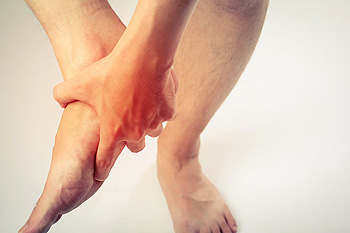 The feet are considered to be the foundation of the body, and may feel aches and pains from performing daily activities. Many types of foot pain can be caused by poor foot structure, or from wearing shoes that do not fit correctly. A common form of pain can be found in the heel, which may be indicative of plantar fasciitis or a heel spur. The condition that is referred to as flat feet may cause pain in the middle of the foot, where the arch would generally be found. Patients have found moderate relief when custom-made insoles are worn, which may provide the support that is needed. Bunions may cause pain as a result of inflammation, and can become irritated as the affected part of the foot rubs against the shoe. If you experience any discomfort in your feet, it is strongly advised that you schedule a consultation with a podiatrist as quickly as possible who can determine the cause and offer treatment options.
Foot Pain
Foot pain can be extremely painful and debilitating. If you have a foot pain, consult with Julie Jurd-Sadler, DPM from Progressive Podiatry. Our doctor will assess your condition and provide you with quality foot and ankle treatment.
Causes
Foot pain is a very broad condition that could be caused by one or more ailments. The most common include:
- Bunions
- Hammertoes
- Plantar Fasciitis
- Bone Spurs
- Corns
- Tarsal Tunnel Syndrome
- Ingrown Toenails
- Arthritis (such as Gout, Rheumatoid, and Osteoarthritis)
- Flat Feet
- Injury (from stress fractures, broken toe, foot, ankle, Achilles tendon ruptures, and sprains)
- And more
Diagnosis
To figure out the cause of foot pain, podiatrists utilize several different methods. This can range from simple visual inspections and sensation tests to X-rays and MRI scans. Prior medical history, family medical history, and any recent physical traumatic events will all be taken into consideration for a proper diagnosis.
Treatment
Treatment depends upon the cause of the foot pain. Whether it is resting, staying off the foot, or having surgery; podiatrists have a number of treatment options available for foot pain.
If you have any questions, please feel free to contact our offices located in Ijamsville and Mouth Airy, MD . We offer the newest diagnostic and treatment technologies for all your foot care needs.
Published in Blog
Blog Archives
- October 2024
- September 2024
- August 2024
- July 2024
- June 2024
- May 2024
- April 2024
- March 2024
- February 2024
- January 2024
- December 2023
- November 2023
- October 2023
- September 2023
- August 2023
- July 2023
- June 2023
- May 2023
- April 2023
- March 2023
- February 2023
- January 2023
- December 2022
- November 2022
- October 2022
- September 2022
- August 2022
- July 2022
- June 2022
- May 2022
- April 2022
- March 2022
- February 2022
- January 2022
- December 2021
- November 2021
- October 2021
- September 2021
- August 2021
- July 2021
- June 2021
- May 2021
- April 2021
- March 2021
- February 2021
- January 2021
- December 2020
- November 2020
- October 2020
- September 2020
- August 2020
- July 2020
- June 2020
- May 2020
- April 2020
- March 2020
- February 2020
- January 2020
- December 2019
- November 2019
