Connect With Us
Blog
Blog
Friday, 04 August 2023 00:00
Heel Pain Can Be Treated!
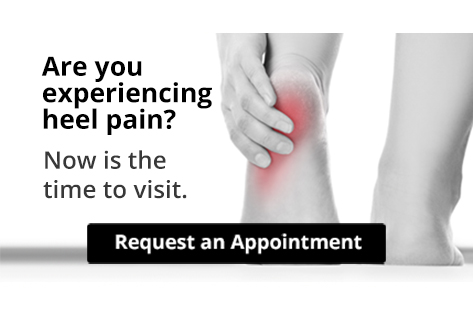
Do you suffer from heel pain when you get up in the morning? If so, you should seek professional help and have a proper diagnosis performed. Heel pain can be caused by several different foot-related conditions.
Tuesday, 01 August 2023 00:00
2 Categories of Workplace Foot Injuries
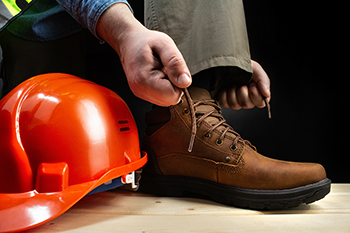
Studies show that many workman compensation cases involve the feet. The various injuries targeting the feet and ankles can be classified into two groups. Mishaps that happen from punctures, lacerations, and crushing is one category, while the other group results from slips, trips, and falls. Common injuries that happen can be crushed or broken feet as a result of falling objects or moving vehicles, and punctures on the bottom of the feet caused by sharp metal or glass objects. Wearing appropriate shoes may help to prevent many of these types of injuries. It is beneficial for employers to educate their employees about foot injury prevention policies. This can include the types of shoes that should be worn for the specific job. If you would like more information about additional foot protection while working, it is suggested that you confer with a podiatrist who can provide you with helpful tips.
While working on the feet, it is important to take the proper care of them. For more information about working on your feet, contact Julie Jurd-Sadler, DPM from Progressive Podiatry. Our doctor will treat your foot and ankle needs.
Working on Your Feet
Standing on your feet for long periods of time can cause stress and pain in your feet. Your whole body may experience change in terms of posture, back pain, bunions, callouses and or plantar warts. There are ways to avoid these conditions with proper foot care, smart choices and correct posture.
Positive Changes
Negative heeled shoe – Choosing this shoe type places the heel slightly lower than the ball of the foot. These are great for overall foot health. Find shoes that fit you correctly.
Go barefoot – Our feet were not designed to be enclosed for all hours of the day. Try to periodically expose your feet to air.
Eliminate Pain
Foot Exercises – Performing simple exercises, incorporating yoga and doing stretches are beneficial. This will allow increased blood flow to the area and muscles of the foot.
Achilles tendon – Stretching the foot out flat on the floor will relax the calf muscles and tendon. These exercises can be performed almost anywhere. Make sure you add these exercises to your daily regimen.
With a little bit of this information and knowing more about foot health, you will notice changes. Foot stretches and proper footwear will help with pain and prevent further issues.
If you have any questions please feel free to contact our offices located in Ijamsville and Mouth Airy, MD . We offer the newest diagnostic and treatment technologies for all your foot and ankle needs.
Tuesday, 25 July 2023 00:00
Effects of Peripheral Artery Disease on the Feet
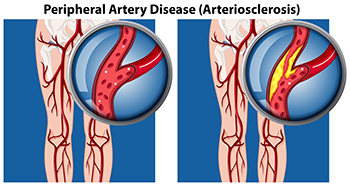
Peripheral artery disease, or PAD, results from a buildup of fatty deposits in the arteries that restrict blood supply to the lower extremities. As the blood vessels narrow, the feet are unable to receive the normal amount of oxygenated blood that is needed to keep them healthy, and studies show that people over the age of 60 have a significantly increased chance of developing PAD. Men are also more at risk than women. The most common risk factors for developing peripheral artery disease are smoking, excessive alcohol consumption, diabetes, and high cholesterol. Symptoms of peripheral artery disease include loss of hair on extremities, weakness in the legs, brittle toenails, and shiny skin. Certain lifestyle changes can help to reduce the effects of PAD. If left untreated, PAD also can lead to serious or life-threatening conditions, such as heart disease or stroke. If you notice a loss of sensation in the feet or legs, a burning or prickling feeling, or a change of color in the feet or toes, it is suggested that you make an appointment with a podiatrist for an exam and options for treatment.
Peripheral artery disease can pose a serious risk to your health. It can increase the risk of stroke and heart attack. If you have symptoms of peripheral artery disease, consult with Julie Jurd-Sadler, DPM from Progressive Podiatry. Our doctor will assess your condition and provide you with quality foot and ankle treatment.
Peripheral artery disease (PAD) is when arteries are constricted due to plaque (fatty deposits) build-up. This results in less blood flow to the legs and other extremities. The main cause of PAD is atherosclerosis, in which plaque builds up in the arteries.
Symptoms
Symptoms of PAD include:
- Claudication (leg pain from walking)
- Numbness in legs
- Decrease in growth of leg hair and toenails
- Paleness of the skin
- Erectile dysfunction
- Sores and wounds on legs and feet that won’t heal
- Coldness in one leg
It is important to note that a majority of individuals never show any symptoms of PAD.
Diagnosis
While PAD occurs in the legs and arteries, Podiatrists can diagnose PAD. Podiatrists utilize a test called an ankle-brachial index (ABI). An ABI test compares blood pressure in your arm to you ankle to see if any abnormality occurs. Ultrasound and imaging devices may also be used.
Treatment
Fortunately, lifestyle changes such as maintaining a healthy diet, exercising, managing cholesterol and blood sugar levels, and quitting smoking, can all treat PAD. Medications that prevent clots from occurring can be prescribed. Finally, in some cases, surgery may be recommended.
If you have any questions, please feel free to contact our offices located in Ijamsville and Mouth Airy, MD . We offer the newest diagnostic and treatment technologies for all your foot care needs.
Tuesday, 18 July 2023 00:00
The Importance of Taking Foot Pain Seriously
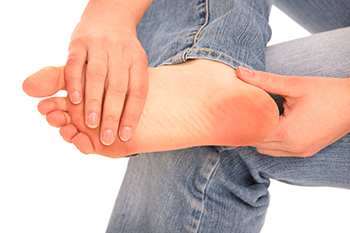
Our feet are the foundation of our support and facilitate our mobility. While it is common to experience foot pain occasionally, dismissing or ignoring it can have serious consequences. Foot pain can stem from various causes, ranging from simple issues like ill-fitting footwear to underlying medical conditions that require immediate attention. Since such pain can arise from multiple factors, it is important to identify the source to differentiate between discomfort that may be temporary and signs of a more serious problem. Medical conditions, such as diabetes, with the common complication of neuropathy, or deep vein thrombosis involving blood clots can cause foot pain, and it is crucial to address these issues promptly. Age-related foot problems, such as arthritis, can cause chronic foot pain that requires care. Given the diverse causes of foot pain and the potential severity of complications, if you are having such pain, it is strongly suggested that you consult a podiatrist for an accurate diagnosis and suitable treatment.
Foot Pain
Foot pain can be extremely painful and debilitating. If you have a foot pain, consult with Julie Jurd-Sadler, DPM from Progressive Podiatry. Our doctor will assess your condition and provide you with quality foot and ankle treatment.
Causes
Foot pain is a very broad condition that could be caused by one or more ailments. The most common include:
- Bunions
- Hammertoes
- Plantar Fasciitis
- Bone Spurs
- Corns
- Tarsal Tunnel Syndrome
- Ingrown Toenails
- Arthritis (such as Gout, Rheumatoid, and Osteoarthritis)
- Flat Feet
- Injury (from stress fractures, broken toe, foot, ankle, Achilles tendon ruptures, and sprains)
- And more
Diagnosis
To figure out the cause of foot pain, podiatrists utilize several different methods. This can range from simple visual inspections and sensation tests to X-rays and MRI scans. Prior medical history, family medical history, and any recent physical traumatic events will all be taken into consideration for a proper diagnosis.
Treatment
Treatment depends upon the cause of the foot pain. Whether it is resting, staying off the foot, or having surgery; podiatrists have a number of treatment options available for foot pain.
If you have any questions, please feel free to contact our offices located in Ijamsville and Mouth Airy, MD . We offer the newest diagnostic and treatment technologies for all your foot care needs.
Tuesday, 11 July 2023 00:00
Sore Feet While Hiking
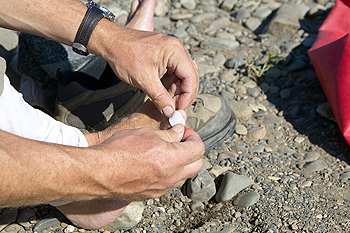
Hiking can be a fun and challenging activity for nature lovers. It can be great exercise and provide one with the experience of stunning views and a huge sense of accomplishment. Most hikers have experienced some foot pain during a hike at some point in time. While blisters, plantar fasciitis, or hot spots can commonly befall hikers, other things like tendonitis can occur as well. Painful blisters are a common hiking problem. These are fluid-filled pockets that develop under the skin and are caused by friction. Blisters can easily come on from overuse and wearing boots that do not fit well. Plantar fasciitis is an inflammation of the plantar fascia, which is the connective tissue that runs from the heels to the toes on the underside of the foot. It can make every step a hiker takes painful, particularly in the heel and arch of the foot. A hot spot is a signal that a blister is about to form. Foot pain prevention measures to take before a hike include training for the hike by doing aerobic exercise, and resistance training. Also, practicing shorter hikes on similar terrain, wearing well-fitting hiking boots, using orthotic insoles, and wearing lightweight, breathable, and cushioned socks. When discomfort surfaces during a hike, stop to deal with it before it worsens. A foot care kit can be prepared beforehand and taken on hikes for this purpose. Simple things to include in such a kit are an extra pair of socks, athletic or duct tape, powder, and blister patches. If your foot pain from a hike persists or worsens, it is strongly suggested that you make an appointment with a podiatrist who can evaluate the problem and provide treatment options.
Sports related foot and ankle injuries require proper treatment before players can go back to their regular routines. For more information, contact Julie Jurd-Sadler, DPM of Progressive Podiatry. Our doctor can provide the care you need to keep you pain-free and on your feet.
Sports Related Foot and Ankle Injuries
Foot and ankle injuries are a common occurrence when it comes to athletes of any sport. While many athletes dismiss the initial aches and pains, the truth is that ignoring potential foot and ankle injuries can lead to serious problems. As athletes continue to place pressure and strain the area further, a mild injury can turn into something as serious as a rupture and may lead to a permanent disability. There are many factors that contribute to sports related foot and ankle injuries, which include failure to warm up properly, not providing support or wearing bad footwear. Common injuries and conditions athletes face, including:
- Plantar Fasciitis
- Plantar Fasciosis
- Achilles Tendinitis
- Achilles Tendon Rupture
- Ankle Sprains
Sports related injuries are commonly treated using the RICE method. This includes rest, applying ice to the injured area, compression and elevating the ankle. More serious sprains and injuries may require surgery, which could include arthroscopic and reconstructive surgery. Rehabilitation and therapy may also be required in order to get any recovering athlete to become fully functional again. Any unusual aches and pains an athlete sustains must be evaluated by a licensed, reputable medical professional.
If you have any questions please feel free to contact our offices located in Ijamsville and Mouth Airy, MD . We offer the newest diagnostic and treatment technologies for all your foot and ankle needs.
Tuesday, 17 January 2023 00:00
Filing the Toenails
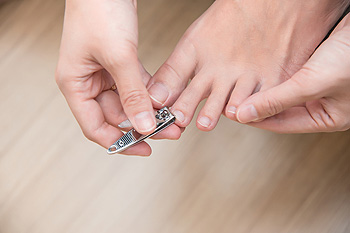
Many individuals who are novices in podiatry might already be familiar with what it means to file the nails. Typically, individuals use nail files on their fingernails to file down the tips of the nail and form the shape. Many people may be surprised to know that nail files can also be used on the toenails. Nail files are also known as emery boards. When using the emery board on the toenails, it is important to remember to keep the board perpendicular to the toenail. Additionally, the emery board should not be moved back and forth over the nail. Typically, moving the emery board in one direction during the filing process is best. Also, it is not a good practice to file the toenails at an angle, as this can make the nails have an uneven, rounded shape. Additionally, it can put an individual at an increased risk of developing an ingrown toenail. If you have any questions about filing the toenails and everyday foot care tips, contact a podiatrist today.
Everyday foot care is very important to prevent infection and other foot ailments. If you need your feet checked, contact Julie Jurd-Sadler, DPM from Progressive Podiatry. Our doctor can provide the care you need to keep you pain-free and on your feet.
Everyday Foot Care
Often, people take care of their bodies, face and hair more so than they do for their feet. But the feet are a very important aspect of our bodies, and one that we should pay more attention to. Without our feet, we would not be able to perform most daily tasks.
It is best to check your feet regularly to make sure there are no new bruises or cuts that you may not have noticed before. For dry feet, moisturizer can easily be a remedy and can be applied as often as necessary to the affected areas. Wearing shoes that fit well can also help you maintain good foot health, as well as making it easier to walk and do daily activities without the stress or pain of ill-fitting shoes, high heels, or even flip flops. Wearing clean socks with closed shoes is important to ensure that sweat and bacteria do not accumulate within the shoe. Clean socks help to prevent Athlete’s foot, fungi problems, bad odors, and can absorb sweat.
If you have any questions please feel free to contact our offices located in Ijamsville and Mouth Airy, MD . We offer the newest diagnostic and treatment technologies for all your foot and ankle needs.
Wednesday, 05 July 2023 00:00
Plantar Warts Can Be Treated!

Plantar warts are small growths that develop on parts of the feet that bear weight. They're typically found on the bottom of the foot. Don't live with plantar warts, and call us today!
Tuesday, 04 July 2023 00:00
How Household Changes Can Help to Prevent Falling
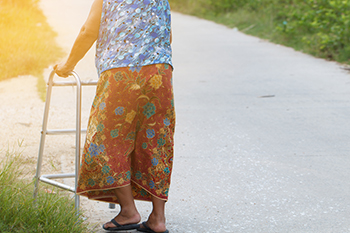
Research has shown that approximately 25 percent of adults fall every year. Many of these people can experience consequences that can range from breaking a bone to the inability to complete daily activities as a result of having a fear of falling. Falling can happen from having an unsafe living environment, existing medical conditions, or a change in eyesight. There are simple methods that can be implemented which can help to reduce the number of falls. Installing grab bars in the toilet and shower area and using a non-skid bathmat are effective fall prevention techniques. Additionally, removing worn rugs and improving lighting in the household can make the home safer. Many elderly people choose to stretch and exercise daily, which is helpful in keeping the body strong, and possibly helping to prevent falling. If you would like additional knowledge about how falling can affect the feet and how to avoid this, it is suggested that you confer with a podiatrist who can offer you useful tips.
Preventing falls among the elderly is very important. If you are older and have fallen or fear that you are prone to falling, consult with Julie Jurd-Sadler, DPM from Progressive Podiatry. Our doctor will assess your condition and provide you with quality advice and care.
Every 11 seconds, an elderly American is being treated in an emergency room for a fall related injury. Falls are the leading cause of head and hip injuries for those 65 and older. Due to decreases in strength, balance, senses, and lack of awareness, elderly persons are very susceptible to falling. Thankfully, there are a number of things older persons can do to prevent falls.
How to Prevent Falls
Some effective methods that older persons can do to prevent falls include:
- Enrolling in strength and balance exercise program to increase balance and strength
- Periodically having your sight and hearing checked
- Discuss any medications you have with a doctor to see if it increases the risk of falling
- Clearing the house of falling hazards and installing devices like grab bars and railings
- Utilizing a walker or cane
- Wearing shoes that provide good support and cushioning
- Talking to family members about falling and increasing awareness
Falling can be a traumatic and embarrassing experience for elderly persons; this can make them less willing to leave the house, and less willing to talk to someone about their fears of falling. Doing such things, however, will increase the likelihood of tripping or losing one’s balance. Knowing the causes of falling and how to prevent them is the best way to mitigate the risk of serious injury.
If you have any questions, please feel free to contact our offices located in Ijamsville and Mouth Airy, MD . We offer the newest diagnostic and treatment technologies for all your foot care needs.
Tuesday, 27 June 2023 00:00
Summer, Obesity, and Cracked Heels
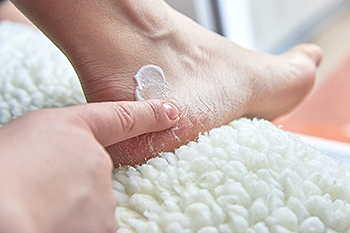
People may be prone to developing the foot condition that is known as cracked heels during the summer months. The warmer months invite flip-flops and backless shoes to be worn, and the heels may suffer. More pressure may be exerted on the heels while walking, which may be a result of a change in gait, or walking style. Obesity can also be a reason why cracked heels can develop, which can be from the excess weight the feet endure. Signs of cracked heels can begin with the skin becoming thicker, followed by small cracks forming. If prompt attention is not received, they can deepen into fissures, and possibly become infected. Mild relief may be found when the feet are washed and dried daily, and a good moisturizer is applied to them. Effective prevention methods for cracked heels can include wearing shoes that have a closed back and drinking plenty of water daily. If you have developed cracked heels, it is suggested that you confer with a podiatrist who can offer you helpful relief remedies.
Cracked heels are unsightly and can cause further damage to your shoes and feet. If you have any concerns, contact Julie Jurd-Sadler, DPM from Progressive Podiatry. Our doctor can provide the care you need to keep you pain-free and on your feet.
Cracked Heels
Cracked heels appear unappealing and can make it harder for you walk around in sandals. Aside from looking unpleasant, cracked heels can also tear stockings, socks, and wear out your shoes. There are several methods to help restore a cracked heel and prevent further damage.
How Do You Get Them?
Dry skin is the number one culprit in creating cracked heels. Many athletes, walkers, joggers, and even swimmers suffer from cracked heels. Age and skin oil production play a role to getting cracked heels as well.
Promote Healing
Over the counter medicines can help, especially for those that need instant relief or who suffer from chronic dry feet.
Wear Socks – Wearing socks with medicated creams helps lock in moisture.
Moisturizers – Applying both day and night will help alleviate dryness which causes cracking.
Pumice Stones – These exfoliate and remove dead skin, which allows for smoother moisturizer application and better absorption into the skin.
Change in Diet
Eating healthy with a well-balanced diet will give the skin a fresh and radiant look. Your body responds to the kinds of food you ingest. Omega-3 fatty acids and zinc supplements can also revitalize skin tissue.
Most importantly, seek professional help if unsure how to proceed in treating cracked heels. A podiatrist will help you with any questions or information needed.
If you have any questions, please feel free to contact our offices located in Ijamsville and Mouth Airy, MD . We offer the newest diagnostic and treatment technologies for all your foot care needs.
Tuesday, 10 January 2023 00:00
Why Are My Feet Cold?
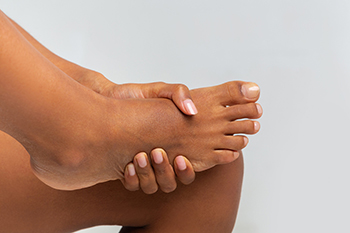
Cold feet are typical in cold climates, and weather is impossible to control. However, when cold feet result from something going on internally, we can learn more about why this might happen and take preventative measures to alleviate the discomfort. Common internal causes of cold feet include poor circulation, nerve sensation problems, and anemia to name a few. Poor circulation can come from conditions, such as atherosclerosis, that impede or block blood flow to the feet. The feet may turn blue, indicating a lack of oxygen in the area. Nerve damage or neuropathy is another common reason for cold feet. This is when the nerves in the feet malfunction and tell the brain that it is cold when it is not. One can feel a pins and needles sensation and pain or weakness in the feet, which can cause mobility issues. Anemia is when there is a shortage of red blood cells in the body, perhaps from an iron deficiency, and this can interfere with healthy circulation and make feet feel cold. If you suffer from cold feet for any length of time, see a podiatrist who can help you determine the cause.
Foot Pain
Foot pain can be extremely painful and debilitating. If you have a foot pain, consult with Julie Jurd-Sadler, DPM from Progressive Podiatry. Our doctor will assess your condition and provide you with quality foot and ankle treatment.
Causes
Foot pain is a very broad condition that could be caused by one or more ailments. The most common include:
- Bunions
- Hammertoes
- Plantar Fasciitis
- Bone Spurs
- Corns
- Tarsal Tunnel Syndrome
- Ingrown Toenails
- Arthritis (such as Gout, Rheumatoid, and Osteoarthritis)
- Flat Feet
- Injury (from stress fractures, broken toe, foot, ankle, Achilles tendon ruptures, and sprains)
- And more
Diagnosis
To figure out the cause of foot pain, podiatrists utilize several different methods. This can range from simple visual inspections and sensation tests to X-rays and MRI scans. Prior medical history, family medical history, and any recent physical traumatic events will all be taken into consideration for a proper diagnosis.
Treatment
Treatment depends upon the cause of the foot pain. Whether it is resting, staying off the foot, or having surgery; podiatrists have a number of treatment options available for foot pain.
If you have any questions, please feel free to contact our offices located in Ijamsville and Mouth Airy, MD . We offer the newest diagnostic and treatment technologies for all your foot care needs.
More...
Tuesday, 20 June 2023 00:00
Pregnancy Can Produce Swollen Feet
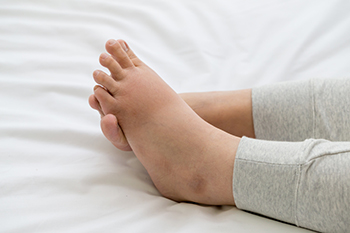
Pregnant women often notice how swollen their feet become during this time in their lives. This happens for various reasons. The body naturally produces more blood that can help the fetus to grow. Additionally, the uterus puts pressure on the veins that return blood from the legs, and swollen feet may result. Pregnancy hormones can also have an effect on the veins, and the blood may pool in the ankles and feet. Swollen feet often begin during the second trimester, and can last for the duration of the pregnancy. Effective prevention methods for swollen feet can include frequently elevating the feet, drinking plenty of water daily, and engaging in a simple exercise routine. Some women find it helpful to wear compression stockings, and this may help to manage existing swelling. If your feet and ankles are unusually swollen and uncomfortable during your pregnancy, it is suggested that you visit a podiatrist who can offer you additional relief methods.
Pregnant women with swollen feet can be treated with a variety of different methods that are readily available. For more information about other cures for swollen feet during pregnancy, consult with Julie Jurd-Sadler, DPM from Progressive Podiatry. Our doctor will attend to all of your foot and ankle needs.
What Foot Problems Can Arise During Pregnancy?
One problem that can occur is overpronation, which occurs when the arch of the foot flattens and tends to roll inward. This can cause pain and discomfort in your heels while you’re walking or even just standing up, trying to support your baby.
Another problem is edema, or swelling in the extremities. This often affects the feet during pregnancy but tends to occur in the later stages.
How Can I Keep My Feet Healthy During Pregnancy?
- Wearing orthotics can provide extra support for the feet and help distribute weight evenly
- Minimize the amount of time spent walking barefoot
- Wear shoes with good arch support
- Wear shoes that allow for good circulation to the feet
- Elevate feet if you experience swelling
- Massage your feet
- Get regular, light exercise, such as walking, to promote blood circulation to the feet
If you have any questions please feel free to contact our offices located in Ijamsville and Mouth Airy, MD . We offer the newest diagnostic and treatment technologies for all your foot and ankle needs.
Tuesday, 13 June 2023 00:00
The Link Between Overpronation and Flat Feet
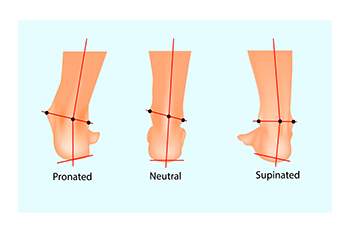
One of the main causes of poor foot posture is overpronation. This condition occurs when your gait, or how you walk or run, causes the arch of the foot to flatten. This can cause the ankle to roll inward, instead of remaining straight, and puts stress on the muscles, tendons, and ligaments that support the foot arches. The result is a flattening of the feet. However, flat feet are a different matter entirely. Flat feet, or pes planus, are the collapse or absence of the arch. This condition is common among women over 40, pregnant women, in addition to people who are overweight or have certain medical conditions. Pregnant women are also at risk of overpronation, as the result of gait changes due to a redistribution of their weight. Obesity or walking for long periods of time can also contribute to overpronation. Furthermore, patients whose feet are already slightly flattened are more apt to develop overpronation. If you believe that you may be suffering the effects of overpronation or flat feet, it is suggested that you make an appointment with a podiatrist for a gait analysis and an examination of the arches.
If you have any concerns about your feet, contact Julie Jurd-Sadler, DPM from Progressive Podiatry. Our doctor can provide the care you need to keep you pain-free and on your feet.
Biomechanics in Podiatry
Podiatric biomechanics is a particular sector of specialty podiatry with licensed practitioners who are trained to diagnose and treat conditions affecting the foot, ankle and lower leg. Biomechanics deals with the forces that act against the body, causing an interference with the biological structures. It focuses on the movement of the ankle, the foot and the forces that interact with them.
A History of Biomechanics
- Biomechanics dates back to the BC era in Egypt where evidence of professional foot care has been recorded.
- In 1974, biomechanics gained a higher profile from the studies of Merton Root, who claimed that by changing or controlling the forces between the ankle and the foot, corrections or conditions could be implemented to gain strength and coordination in the area.
Modern technological improvements are based on past theories and therapeutic processes that provide a better understanding of podiatric concepts for biomechanics. Computers can provide accurate information about the forces and patterns of the feet and lower legs.
Understanding biomechanics of the feet can help improve and eliminate pain, stopping further stress to the foot.
If you have any questions please feel free to contact our offices located in Ijamsville and Mouth Airy, MD . We offer the newest diagnostic and treatment technologies for all your foot and ankle needs.
Tuesday, 06 December 2022 00:00
Causes and Complications of Foot Blisters
Blisters on the feet are pockets of fluid that form beneath the top layer of the skin to protect the lower layers from damage. Blisters on the toes, feet, or heels may be caused by friction, usually from pressure or rubbing against the inside of a shoe. Generally, a blister is filled with clear serum, but sometimes it may be filled with blood, or even pus if it becomes infected. As a rule, a blister will go away on its own in three to seven days. As new skin grows under the blister the serum will be reabsorbed into the body and the outer skin will dry up and flake off. However, it is important to remember that popping a blister can cause infection or inhibit the healing process. Wearing shoes that are comfortable and do not rub against the skin is a sure way of allowing a blister on the foot to heal, or preventing one from occurring in the first place. If you have a particularly painful blister, or one that appears to be infected, please make an appointment with a podiatrist. Antibiotics may be prescribed to ward off the infection, and the podiatrist may safely drain the blister in a sterile setting.
Blisters are prone to making everyday activities extremely uncomfortable. If your feet are hurting, contact Julie Jurd-Sadler, DPM of Progressive Podiatry. Our doctor can provide the care you need to keep you pain-free and on your feet.
Foot Blisters
Foot blisters develop as a result of constantly wearing tight or ill-fitting footwear. This happens due to the constant rubbing from the shoe, which can often lead to pain.
What Are Foot Blisters?
A foot blister is a small fluid-filled pocket that forms on the upper-most layer of the skin. Blisters are filled with clear fluid and can lead to blood drainage or pus if the area becomes infected.
How Do Blisters Form?
Blisters on the feet are often the result of constant friction of skin and material, usually by shoe rubbing. Walking in sandals, boots, or shoes that don’t fit properly for long periods of time can result in a blister. Having consistent foot moisture and humidity can easily lead to blister formation.
Prevention & Treatment
It is important to properly care for the affected area in order to prevent infection and ease the pain. Do not lance the blister and use a Band-Aid to provide pain relief. Also, be sure to keep your feet dry and wear proper fitting shoes. If you see blood or pus in a blister, seek assistance from a podiatrist.
If you have any questions, please feel free to contact our offices located in Ijamsville and Mouth Airy, MD . We offer the newest diagnostic and treatment technologies for all your foot care needs.
Tuesday, 06 June 2023 00:00
Causes of Hammertoe
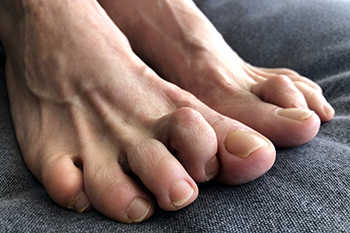
A hammertoe is a deformity that is usually found in the second toe when the middle joint rises upward and the tip of the toe bends downward. It is so named because the resulting toe resembles the shape of a claw hammer. While some people are genetically predisposed to the formation of a hammertoe, in many cases the main cause is improper footwear. Wearing shoes that are short, narrow, and too tight can contribute to hammertoe formation. When the toe is forced into a bent position, the muscles and tendons in that toe shorten. Women are more at risk of hammertoe because they are more likely to wear high heels with pointed, low, and narrow toe boxes. Children who wear shoes that are too small for them are also at greater risk. Other causes of hammertoe include Charcot-Marie-Tooth disease and rheumatoid arthritis. If you have a hammertoe, it is suggested that you make an appointment with a podiatrist, who is a foot doctor that is trained to deal with such maladies and can suggest appropriate treatment options.
Hammertoe
Hammertoes can be a painful condition to live with. For more information, contact Julie Jurd-Sadler, DPM from Progressive Podiatry. Our doctor will answer any of your foot- and ankle-related questions.
Hammertoe is a foot deformity that affects the joints of the second, third, fourth, or fifth toes of your feet. It is a painful foot condition in which these toes curl and arch up, which can often lead to pain when wearing footwear.
Symptoms
- Pain in the affected toes
- Development of corns or calluses due to friction
- Inflammation
- Redness
- Contracture of the toes
Causes
Genetics – People who are genetically predisposed to hammertoe are often more susceptible
Arthritis – Because arthritis affects the joints in your toes, further deformities stemming from arthritis can occur
Trauma – Direct trauma to the toes could potentially lead to hammertoe
Ill-fitting shoes – Undue pressure on the front of the toes from ill-fitting shoes can potentially lead to the development of hammertoe
Treatment
Orthotics – Custom made inserts can be used to help relieve pressure placed on the toes and therefore relieve some of the pain associated with it
Medications – Oral medications such as anti-inflammatories or NSAIDs could be used to treat the pain and inflammation hammertoes causes. Injections of corticosteroids are also sometimes used
Surgery – In more severe cases where the hammertoes have become more rigid, foot surgery is a potential option
If you have any questions please contact our offices located in Ijamsville and Mouth Airy, MD . We offer the newest diagnostic and treatment technologies for all your foot and ankle needs.
Blog Archives
- April 2025
- March 2025
- February 2025
- January 2025
- December 2024
- November 2024
- October 2024
- September 2024
- August 2024
- July 2024
- June 2024
- May 2024
- April 2024
- March 2024
- February 2024
- January 2024
- December 2023
- November 2023
- October 2023
- September 2023
- August 2023
- July 2023
- June 2023
- May 2023
- April 2023
- March 2023
- February 2023
- January 2023
- December 2022
- November 2022
- October 2022
- September 2022
- August 2022
- July 2022
- June 2022
- May 2022
- April 2022
- March 2022
- February 2022
- January 2022
- December 2021
- November 2021
- October 2021
- September 2021
- August 2021
- July 2021
- June 2021
- May 2021
- April 2021
- March 2021
- February 2021
- January 2021
- December 2020
- November 2020
- October 2020
- September 2020
- August 2020
- July 2020
- June 2020
- May 2020
- April 2020
- March 2020
- February 2020
- January 2020
- December 2019
- November 2019
